
10 Innovative EdTech Tools Transforming the Modern Classroom
In the rapidly evolving landscape of education, innovative EdTech tools are no longer a luxury but a necessity.
In this article
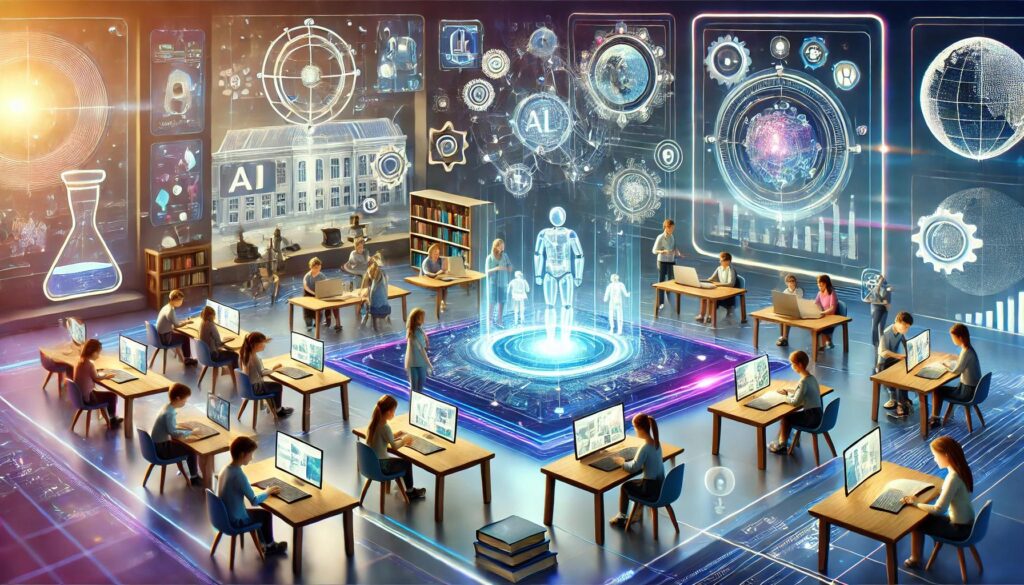
The modern classroom stretches beyond physical walls, blending digital and traditional teaching methods to create a dynamic, interactive, and inclusive environment. By harnessing digital classroom solutions, educators can provide richer, more personalized experiences that accommodate various learning styles and academic levels.
As part of our ongoing mission to highlight how AI and technology influence everyday life—including critical areas like education—this article explores how AI-driven teaching aids, online learning platforms, and other cutting-edge resources support effective classroom technology integration. Below, we delve into ten remarkable EdTech tools that are reshaping how we teach and learn.
Why Are Innovative EdTech Tools Important?
Before diving into the tools themselves, it’s worth considering why they matter. Implementing innovative EdTech tools enhances engagement, encourages student collaboration, and provides instant feedback—benefits that traditional methods struggle to deliver at scale. By integrating these solutions into the curriculum, educators transform learning into an immersive experience, boosting motivation, retention, and overall academic success.
1. Adaptive Learning Platforms
What They Do:
Adaptive learning platforms use AI algorithms to continually assess student performance and adjust lesson difficulty, style, and pacing in real-time. These tools identify each learner’s strengths and weaknesses—if a student excels in reading comprehension but struggles with algebra, the platform dedicates more practice time and resources to algebraic concepts.
Impact:
This personalized approach ensures that no learner falls behind. As students receive targeted instruction tailored to their abilities, they gain confidence and become more engaged. The end result is more efficient mastery of core subjects and a more enjoyable learning experience overall.
2. AI-Driven Language Tutors
What They Do:
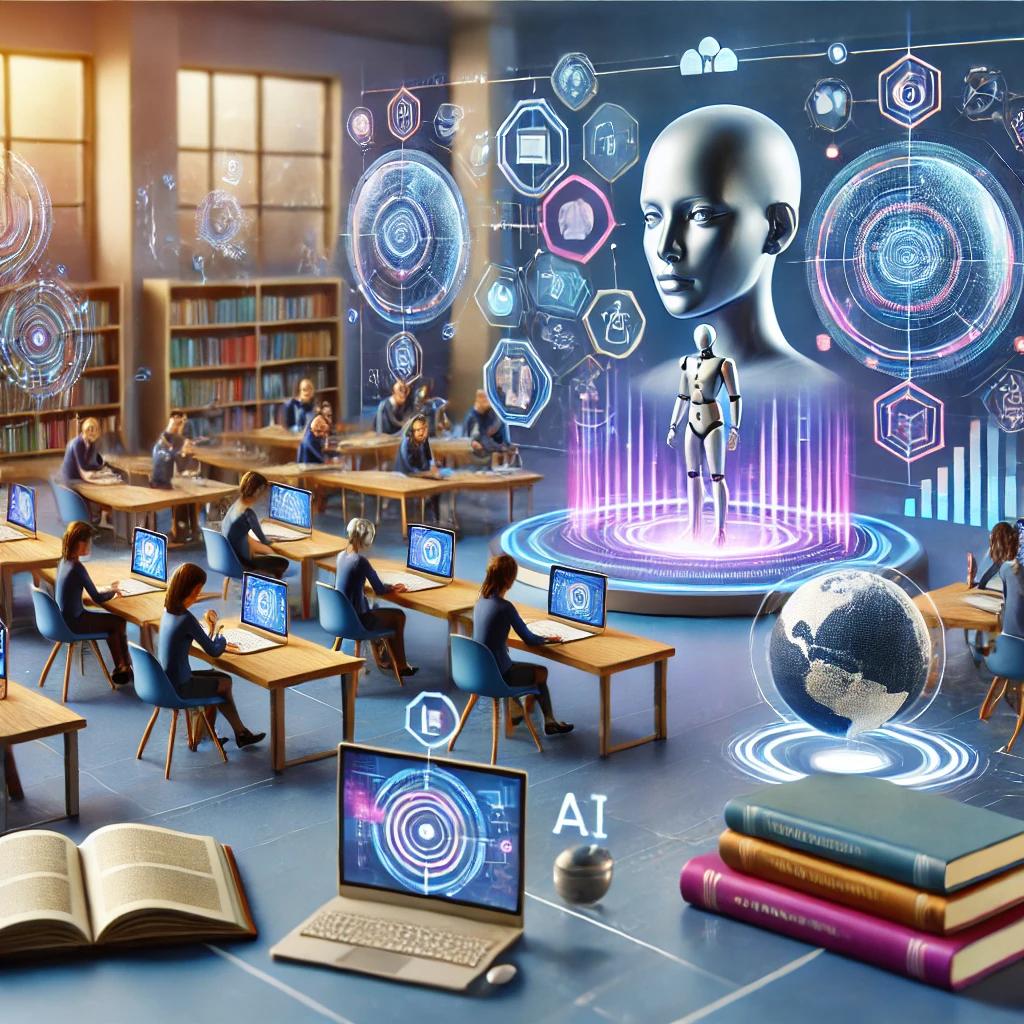
Language learning can be challenging, especially when practice opportunities are limited. AI-driven language tutors address this by offering real-time feedback on grammar, pronunciation, and vocabulary usage. These tools adapt lessons based on a student’s progress, introducing new words, phrases, or sentence structures as they improve.
Impact:
By allowing learners to practice speaking, listening, reading, and writing at their own pace, these tutors foster confidence and fluency. Unlike traditional language classes that move at a fixed tempo, AI-driven tools ensure each student receives ample reinforcement until they fully grasp the material.
3. Interactive Whiteboards and Displays
What They Do:
Gone are static chalkboards and dull overhead projectors. Today’s interactive whiteboards and digital displays support multimedia presentations, annotated notes, and collaborative brainstorming sessions. Teachers can pull up videos, share documents, and even integrate quizzes, all from one device.
Impact:
Turning lessons into visually rich, hands-on experiences keeps students active in their own learning. This tech caters to visual learners, encourages group participation, and sparks creativity—qualities that lead to better understanding and long-term retention of information.
4. Online Learning Platforms and Virtual Classrooms
What They Do:
With online learning platforms, students and teachers connect anytime, anywhere. These platforms store recorded lectures, provide discussion forums, facilitate homework submissions, and support live Q&A sessions. Virtual classrooms replicate the traditional class environment while removing geographical barriers.
Impact:
Students can revisit challenging topics at their convenience, take part in global study groups, and receive support around the clock. For more insights on personalization and adaptive learning, consider our article on 7 Remarkable Ways AI-Powered Tutoring Apps Personalize Learning for Every Student.
5. Gamified Learning Apps
What They Do:
Gamified learning tools infuse education with elements typically found in games—points, badges, levels, and leaderboards. As students complete tasks or master concepts, they earn rewards and climb virtual ranks, turning study sessions into fun, motivational challenges.
Impact:
By making subjects more approachable and engaging, gamification encourages consistent practice and reduces boredom. Students who might shy away from difficult topics often persist because they’re invested in the “game,” resulting in higher skill mastery and confidence.
6. Augmented Reality (AR) and Virtual Reality (VR) Simulations
What They Do:
AR and VR tools immerse students in interactive worlds, taking them on virtual field trips to historical landmarks, demonstrating complex scientific phenomena in 3D, or allowing them to examine geometric shapes from all angles. This technology brings abstract concepts to life.
Impact:
Learning shifts from passive reading to active exploration. By engaging the senses and encouraging inquiry-based learning, AR/VR fosters curiosity, deepens understanding, and helps students form strong mental connections with the material.
7. Online Assessment and Feedback Systems
What They Do:
Digital assessment platforms streamline testing, grading, and feedback. AI-driven analysis highlights common errors and suggests targeted improvements. Immediate results give students a sense of their current standing, guiding them on where to focus their efforts.
Impact:
Instant feedback reduces frustration and eliminates long waiting periods for test results. This shorter feedback loop helps students correct mistakes swiftly, reinforcing correct knowledge and accelerating their path to mastery.
Have you read – AI Powered Tutoring Apps?
8. Collaborative Note-Taking and Project Management Tools
What They Do:
Shared digital notebooks, real-time document editing, Kanban boards, and project management apps make group work smoother. Students can co-author essays, brainstorm ideas, and manage complex assignments together, regardless of their physical location.
Impact:
Teamwork and communication skills flourish as learners collaborate seamlessly. These tools help students stay organized, assign responsibilities, and monitor project progress, preparing them for future work environments that value digital literacy and cooperation
9. Smart Lecture Capture and Transcription Tools
What They Do:
Advanced audio-to-text software records lectures, transcribes spoken words, and stores them in searchable archives. Students can quickly locate relevant segments, revisit entire lessons, or focus on specific topics without sorting through hours of audio or video.
Impact:
This accessibility feature supports diverse learning styles and needs. Students who learn better through reading or reviewing content multiple times benefit immensely, increasing comprehension and long-term retention.
10. Curriculum Management and Analytics Tools
What They Do:
Curriculum analytics solutions aggregate data from homework, quizzes, class participation, and more. Educators receive comprehensive reports on student performance trends, helping them refine teaching methods, fill curriculum gaps, and adjust lesson pacing.
Impact:
Data-driven insights allow educators to make informed decisions, improving lesson quality and student achievement. By aligning teaching with actual learning needs, these tools create a more responsive and effective educational environment.
For an in-depth look at emerging trends and independent reviews of various EdTech solutions, consider visiting EdSurge, a reputable source of educational technology news and analysis.
Tips for Integrating EdTech Tools Effectively
- Start Small:
Introduce one or two innovative EdTech tools at a time, allowing students and teachers to adapt gradually. - Train Educators and Students:
Offer professional development for teachers and tutorials for students to maximize each tool’s effectiveness. - Set Clear Objectives:
Define your educational goals from the start, ensuring each tool aligns with desired outcomes and enhances classroom technology integration.
Conclusion
Embracing innovative EdTech tools is more than a trend—it’s a forward-thinking response to the evolving needs of modern learners. By integrating digital classroom solutions, leveraging AI-driven teaching aids, and encouraging collaborative, interactive learning experiences, educators can transform their classrooms into hubs of discovery, creativity, and growth.
As technology advances, online learning platforms and methods of classroom technology integration will only become more essential. Staying informed, experimenting with new solutions, and refining approaches ensure a future where every learner thrives in a connected, supportive, and dynamic educational ecosystem.