
AI in Marketing: How Brands Are Using AI to Understand Customers
In this article
The Revolution of AI in Marketing
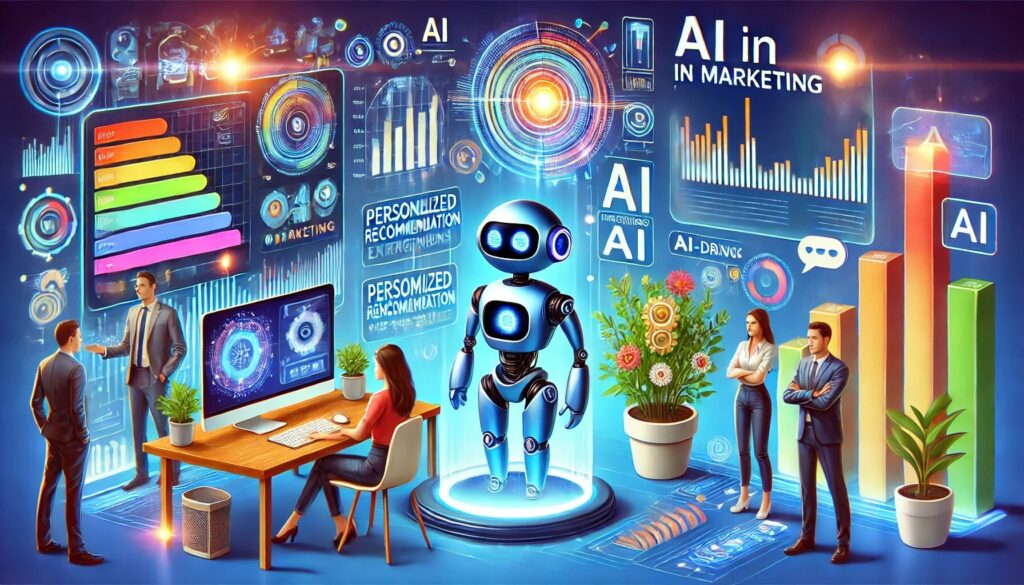
Artificial intelligence (AI) is transforming marketing strategies, helping brands understand customers better than ever before. By analyzing data, predicting behaviors, and automating tasks, AI enables businesses to deliver personalized experiences at scale.
This article explores how AI in marketing is reshaping the way companies connect with their audiences and highlights the tools and techniques driving this transformation.
Why AI in Marketing is Critical in Modern Marketing
Artificial intelligence (AI) has become a cornerstone of modern marketing, enabling brands to stay competitive by addressing several key challenges:
Understanding Customer Behavior: AI analyzes vast amounts of consumer data to identify patterns and trends, allowing marketers to gain deep insights into customer preferences and predict future actions. This understanding enables the creation of more effective marketing strategies tailored to specific audience segments.
Personalization at Scale: AI facilitates the delivery of personalized experiences to millions of users without manual intervention. By leveraging machine learning algorithms, brands can customize content, product recommendations, and communications to meet individual customer needs, enhancing engagement and loyalty.
Efficiency and Cost Savings: AI automates time-intensive tasks such as content creation, ad targeting, and data analysis. This automation not only reduces operational costs but also frees up marketing teams to focus on strategic initiatives, thereby increasing overall productivity.
Real-Time Decision Making: AI processes data instantaneously, providing marketers with up-to-date insights that inform timely decisions. This capability is crucial in dynamic markets where consumer behaviors and trends can shift rapidly.
According to a McKinsey report, companies integrating AI into their marketing and sales strategies have observed a 20-30% increase in revenue, primarily due to enhanced personalization and more precise targeting.
By leveraging AI, brands can not only meet but exceed customer expectations, driving growth and maintaining a competitive edge in the marketplace.
How Brands Are Using AI in Marketing
Customer Segmentation
AI analyzes customer data to create precise segments based on behavior, preferences, and demographics. This enables brands to target the right audience with the right message.
Example: E-commerce platforms use AI to identify high-value customers and tailor marketing campaigns to their specific interests.
Personalized Recommendations
AI powers recommendation engines that suggest products or content based on a user’s past behavior.
Example: Netflix’s AI algorithm recommends shows and movies based on viewing history, while Amazon suggests products customers are likely to purchase.
Predictive Analytics
AI uses historical data to forecast customer behavior, such as purchase likelihood or churn risk. This allows marketers to act proactively.
Example: AI-driven CRM tools like Salesforce predict which customers are most likely to convert or need re-engagement.
Dynamic Content Creation
AI generates personalized marketing content, such as email subject lines, social media captions, and ad copy, tailored to individual users.
Example: Tools like Jasper AI and GrammarlyGO assist marketers in producing high-quality, customized content at scale.
Chatbots and Virtual Assistants
AI-powered chatbots enhance customer engagement by providing instant, 24/7 support. They also collect data on customer inquiries to improve future interactions.
Example: Sephora’s chatbot offers makeup recommendations and tutorials based on user preferences.
Programmatic Advertising
AI automates the buying of digital ads, optimizing campaigns in real-time to reach the most relevant audience.
Example: Google Ads and Meta’s AI tools use machine learning to adjust targeting and bidding for maximum ROI.
Social Media Insights
AI tools analyze social media activity to identify trends, measure brand sentiment, and optimize campaigns.
Example: Sprout Social and Hootsuite Insights use AI to track engagement metrics and recommend the best posting times.
Benefits of Using AI in Marketing
- Enhanced Customer Understanding
AI processes vast amounts of data to uncover insights about customer preferences, habits, and needs.
- Better ROI on Campaigns
AI optimizes ad spending and ensures resources are allocated to high-performing strategies, reducing waste.
- Improved Customer Experience
Personalized content and real-time support create seamless and satisfying customer journeys.
- Competitive Advantage
Brands using AI gain a significant edge by staying ahead of trends and delivering superior customer experiences.
Challenges
While AI offers incredible benefits, implementing it effectively comes with challenges:
- Data Privacy Concerns: AI relies on large datasets, which can raise privacy issues. Brands must comply with regulations like GDPR and CCPA.
- Cost of Implementation: High-quality AI tools and infrastructure can be expensive, especially for smaller businesses.
- Need for Expertise: Effective use of AI requires skilled teams to manage and interpret the data.
Potential solution: Start small by integrating AI into one aspect of your marketing strategy (e.g., email campaigns) and scale as you gain expertise.
The Future
As AI technology advances, its role in marketing will become even more significant. Here are a few emerging trends:
- Hyper-Personalization: AI will create even more individualized experiences, considering real-time factors like location and mood.
- Voice Search Optimization: With the rise of voice assistants, AI will help brands optimize content for voice search queries.
- AI-Generated Media: Tools like DALL-E and Runway ML will enable brands to create unique visuals and videos for campaigns.
- Predictive Social Media Marketing: AI will predict social media trends, helping brands stay ahead of viral content.
How to Get Started with AI in Marketing
- Audit Your Marketing Needs: Identify pain points where AI can provide the most value, such as customer segmentation or content creation.
- Choose the Right Tools: Explore AI platforms like HubSpot, Salesforce Einstein, or Jasper AI to fit your goals.
- Invest in Training: Ensure your team understands how to leverage AI tools effectively.
Start Small: Begin with pilot projects, measure results, and scale up based on success.
Conclusion: Embrace AI in Marketing
AI in marketing is no longer a luxury; it’s a necessity for brands looking to stay competitive in the digital age.
By understanding customer behavior, delivering personalized experiences, and optimizing campaigns, AI enables businesses to achieve more with less effort. Start leveraging AI today to transform your marketing strategy and unlock new opportunities for growth.

How to Get Started with
This guide will teach you how...
Read More
Getting Started with Home Automation:
This guide will help you getting...
Read More
How to Get Started with
If you’re new to the world...
Read More
How to Build a Passive
To Build a passive income stream...
Read More
6 Responses