
10 Incredible Ways AI and Fitness Are Transforming Health
The world of AI and fitness is evolving rapidly, thanks to artificial intelligence (AI). Gone are the days of one-size-fits-all training programs and tedious calorie counting. Today, AI brings tailored solutions to your workouts, offering a smarter, more efficient way to achieve your fitness goals.
In this article
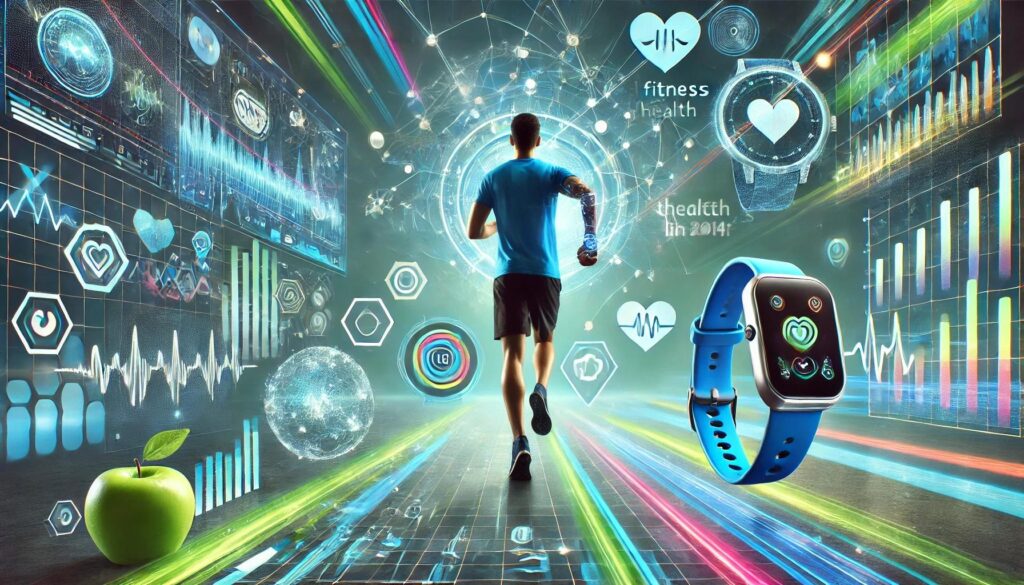
From personalized fitness plans to AI-powered wearables, the fusion of technology and fitness has opened up incredible possibilities for individuals at all fitness levels. This blog will explore the top 10 ways AI is revolutionizing fitness, shedding light on the tools and strategies that are changing the game.
1. Personalized Workout Plans with AI
One of the biggest breakthroughs in AI and fitness is the ability of AI to create personalized workout plans based on individual needs. AI fitness apps analyze user data, such as age, fitness level, and health goals, to design a custom regimen.
Example:
Apps like Fitbod use AI to recommend workouts, adjusting routines as you progress. Whether you’re a beginner or a seasoned athlete, the app evolves alongside your fitness journey.
How It Helps:
- Tailors routines to specific goals (e.g., weight loss, muscle gain, endurance).
- Reduces the risk of injury by ensuring proper form and progression.
Keeps workouts varied to avoid plateaus and boredom.
2. AI-Powered Virtual Trainers
Say goodbye to expensive gym memberships! AI-powered virtual trainers are a cost-effective way to receive expert guidance from the comfort of your home.
Example:
Apps like Freeletics and Nike Training Club offer virtual trainers powered by AI. These trainers provide step-by-step instructions, correct form guidance, and instant feedback.
How It Helps:
- Makes professional-level training accessible to everyone.
- Provides real-time corrections to prevent injuries.
Keeps users motivated with personalized encouragement.
3. Smart Health Wearables
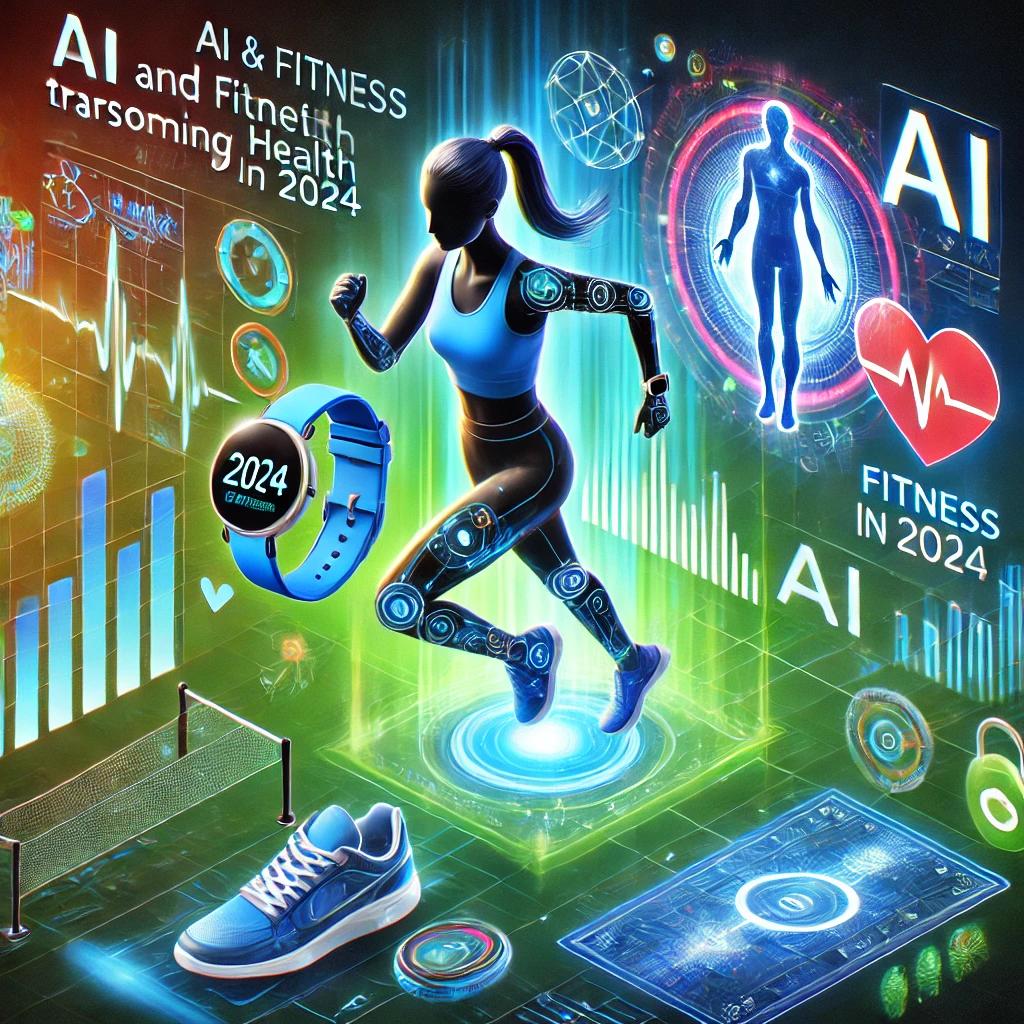
Health wearables have become an essential part of modern AI and fitness routines. Devices like Apple Watch, Fitbit, and Whoop Strap now leverage AI to provide detailed insights into your health and fitness.
Features:
- Tracks metrics like heart rate, calories burned, and sleep patterns.
- Uses AI to analyze data and provide actionable recommendations.
- Syncs with fitness apps for seamless monitoring.
Why It Matters:
With AI, wearables don’t just collect data; they interpret it, helping users understand their performance and optimize their training.
Have you read – Budgeting tips for Beginners?
4. Gamified Workouts
AI is making fitness fun with gamified experiences that turn workouts into engaging challenges. Gamification keeps users motivated and increases adherence to fitness routines.
Example:
Platforms like Zwift and Supernatural VR combine AI with virtual reality to create immersive fitness experiences.
How It Helps:
- Encourages consistency by making workouts enjoyable.
- Creates a sense of competition with leaderboards and achievements.
- Boosts engagement for users who struggle with traditional routines.
5. AI in Nutrition and Diet Planning
Fitness isn’t just about exercise—nutrition plays a vital role. AI-powered tools like MyFitnessPal and Yazio make it easier to track calories, macronutrients, and hydration.
How It Works:
- Analyzes eating habits and suggests healthier alternatives.
- Predicts nutritional needs based on fitness goals.
- Automates meal planning to save time.
Why It’s a Game-Changer:
With AI, users get tailored dietary advice that complements their workout plans, ensuring holistic progress.
6. Real-Time Feedback and Form Correction
AI-powered fitness tools use computer vision to analyze movements and provide real-time feedback, helping users perfect their form.
Example:
Tools like Tempo Move and Mirror use AI cameras to detect motion and guide users in real time.
How It Helps:
- Ensures correct posture and technique.
- Reduces the risk of injury.
- Offers a personal training experience without the hefty price tag.
7. AI for Mental Fitness
Physical fitness goes hand in hand with mental wellness. AI-powered apps like Calm and Headspace incorporate meditation and mindfulness exercises into fitness routines.
How It Works:
- Uses AI to personalize meditation sessions.
- Tracks stress levels and offers tailored solutions.
- Integrates with wearables to monitor progress.
Benefits:
A balanced approach to mental and physical fitness leads to better overall health and well-being.
8. Data-Driven Goal Tracking
AI simplifies goal tracking by providing clear, actionable insights based on user data. Whether it’s losing weight or training for a marathon, AI tools keep you on track.
Example:
Apps like Strava and Endomondo analyze performance metrics and suggest ways to improve.
Why It Works:
- Tracks progress over time with precision.
- Adjusts goals dynamically based on performance.
- Keeps users accountable with reminders and motivational prompts.
9. Virtual Reality Fitness
AI and VR are teaming up to offer immersive fitness experiences that feel more like an adventure than a workout.
Example:
AI-driven VR platforms like Holofit take users on virtual runs through exotic locations or cycling challenges in fantasy worlds.
How It Helps:
- Adds excitement to mundane routines.
- Makes fitness accessible to users with mobility limitations.
Keeps workouts fresh and engaging.
10. AI for Recovery and Injury Prevention
Recovery is just as important as exercise, and AI tools are stepping up to help users optimize rest and prevent injuries.
Example:
Devices like Hyperice Normatec use AI to recommend recovery protocols based on activity levels.
How It Helps:
- Speeds up recovery by targeting sore muscles.
- Prevents overtraining by monitoring fatigue levels.
- Enhances long-term performance through smarter recovery practices.
How to Get Started with AI Fitness Tools
- Choose the Right App: Look for apps with good reviews and features that align with your fitness goals.
- Pair with a Wearable: Maximize results by syncing your app with a health tracker like a Fitbit or Apple Watch.
- Set Realistic Goals: Start small and let the AI adapt your routine as you progress.
- Stay Consistent: Use AI’s motivational features to maintain a steady routine.
Conclusion: The Future of Fitness is Here
AI is revolutionizing the fitness industry, making personalized training and health insights accessible to everyone. Whether you’re looking to lose weight, build muscle, or simply stay active, AI-powered tools provide the guidance and motivation you need to achieve your goals.
From smart wearables to virtual trainers, the possibilities are endless. Embrace AI in your fitness journey, and take the first step toward a healthier, smarter, and more efficient way to stay fit.