
AI for Training: Tracking Your Goals
AI for Training – A New Era of Fitness. The fitness industry has embraced artificial intelligence (AI) as a game-changer. From tracking workouts to providing personalized health insights, AI tools help you train smarter, not harder.
In this article
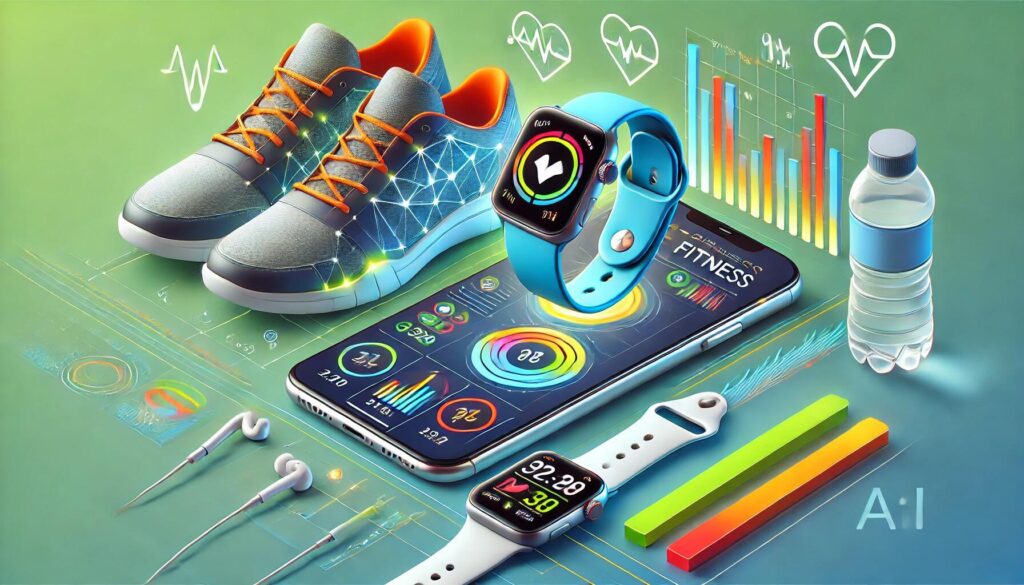
AI for Training - A New Era of Fitness
In this post, we’ll explore how AI for training can transform your fitness journey, helping you set and achieve goals, improve efficiency, and lead a healthier lifestyle.
The Role of AI in Fitness Training
AI-powered tools use machine learning and data analysis to offer tailored recommendations for exercise, nutrition, and recovery. By analyzing your habits, performance, and goals, these tools create a roadmap to help you achieve optimal results.
How AI for Training Tracks Your Goals
AI excels in turning data into actionable insights. Here’s how:
- Wearable Technology:
Devices like Fitbit, WHOOP, and Apple Watch track metrics such as heart rate, steps, calories, and sleep patterns. AI analyzes this data to provide insights into your activity and overall health.2. AI-Powered Fitness Apps:
Apps like MyFitnessPal and Freeletics use AI to create customized training plans based on your fitness level, goals, and preferences.3. Real-Time Feedback:
AI tools like Tempo and Mirror provide immediate corrections on form during exercises, ensuring effectiveness and reducing the risk of injury.4. Goal Progress Tracking:
AI enables dynamic goal adjustments based on performance. For instance, if you’re not hitting your weekly running target, the app recalibrates your schedule to keep you on track.
How AI Improves Your Lifestyle
AI isn’t just about training—it’s about overall well-being:
Personalized Nutrition Plans: AI-powered meal planners like Nutrino suggest meals based on your dietary preferences and fitness goals.
Sleep Optimization: Apps like Sleep Cycle and wearable tech analyze sleep patterns to suggest improvements.
Stress Management: Tools like Calm and Headspace use AI to recommend mindfulness exercises tailored to your stress levels.
Have you read – Top AI Tools for Productivity?
| Tool/Platform | Functionality | Best For |
|---|---|---|
|
Fitbit |
Tracks activity, sleep, and heart rate. |
General fitness and health |
|
MyFitnessPal |
Logs meals and tracks calorie intake. |
Weight loss and nutrition management. |
|
WHOOP |
Tracks recovery and strain. |
Serious athletes optimizing recovery. |
|
Tempo Studio |
Provides form corrections during workouts. |
Strength training enthusiasts. |
|
Calm |
It offers meditation and stress relief. |
Mental wellness and mindfulness. |
Benefits of AI in Training
- Efficiency
AI eliminates guesswork by analyzing your data and recommending the most effective exercises, routines, and recovery methods. This ensures that every minute spent training contributes directly to your goals, saving time and maximizing results. For busy individuals, this precision can significantly enhance productivity. - Motivation
Gamification features in AI-powered apps like Fitbit turn fitness into a rewarding experience. By setting achievable milestones and awarding badges or points for accomplishments, these apps keep users engaged and motivated. They transform training into a game, making it easier to stay consistent over time. - Precision
AI-powered tools provide detailed insights into your progress, pinpointing areas of improvement. By tracking metrics like heart rate, form, and performance, these tools help you refine your approach for better results. Precision tracking also ensures that you avoid overtraining or injury by highlighting potential risks. - Long-Term Planning
Unlike static workout plans, AI tools adapt as you progress, recalibrating goals and routines to ensure sustainable growth. For instance, if your strength improves, the AI may increase weights in your program. This dynamic approach supports long-term success by keeping your fitness journey aligned with your evolving capabilities.
Potential Drawbacks of AI in Fitness
- Over-Reliance on Technology
Relying too heavily on AI tools may reduce your ability to listen to your body’s natural cues. For example, a fitness tracker might suggest pushing harder, but you could be fatigued or at risk of injury. Balancing technology with intuition is essential to avoid unhealthy dependencies. - Data Privacy Concerns
Fitness apps collect sensitive health data, such as your heart rate, sleep patterns, and location. Third parties can share or exploit this information without proper safeguards. Users must carefully review privacy policies and choose platforms committed to data security. - Accessibility
While some AI-powered fitness tools are free, many premium apps and devices come with significant costs. These expenses can make AI-driven fitness solutions inaccessible to those with limited budgets, potentially widening the gap in health equity.
Tips for Using AI in Your Fitness Journey
- Start Small
Introduce AI into your fitness routine with affordable or free tools, such as basic wearable devices or apps like MyFitnessPal. Focus on one or two features to avoid feeling overwhelmed, then expand as you become comfortable with the technology. - Combine AI with Human Expertise
While AI excels at tracking and analyzing data, a personal trainer or coach can provide nuanced feedback that technology cannot. Together, they create a powerful combination, offering a balanced and customized approach to achieving your goals. - Set Realistic Goals
Use AI insights to establish practical, attainable objectives that align with your fitness level. Avoid setting overly ambitious goals that may lead to burnout or injury. AI can adjust these goals dynamically as you progress, ensuring steady improvements without added stress. - Prioritize Data Security
Choose platforms with strong data protection measures and avoid sharing unnecessary personal information. Look for certifications or third-party audits to confirm that the app or device complies with industry privacy standards.
The Future of AI in Fitness
- Virtual Personal Trainers
AI avatars will provide real-time coaching based on your form, fitness level, and goals. These virtual trainers will mimic human expertise, delivering corrections and encouragement to maximize performance in real time. - AI and Gamification
Future fitness apps will offer even more interactive experiences, combining gaming elements with physical activities. For example, you might complete virtual challenges or earn rewards for completing specific tasks, making workouts fun and immersive. - Integrated Ecosystems
Wearables, fitness apps, and smart gym equipment will seamlessly sync to provide a comprehensive overview of your health. These interconnected systems will allow users to monitor fitness, nutrition, and recovery in one platform, simplifying holistic wellness management.
Embrace the AI for Training Advantage
With AI for training, reaching your fitness goals and improving your lifestyle has never been more achievable. By combining smart tools with informed decisions, you can unlock a healthier, happier you. Embrace the power of AI, and let technology take your fitness journey to the next level.