
Wearable Health Devices with AI
Wearable health devices have transformed how we monitor fitness, track health, and achieve wellness goals.
In this article

Introduction: The AI Revolution in Wearable Health Devices
From smartwatches that measure heart rate to AI-powered devices analyzing sleep patterns, these tools offer unparalleled insights into our well-being. In this guide, we’ll explore the top wearable health devices and their benefits, showcasing how AI technology is revolutionizing personal health.
The Rise of AI in Wearable Health Devices
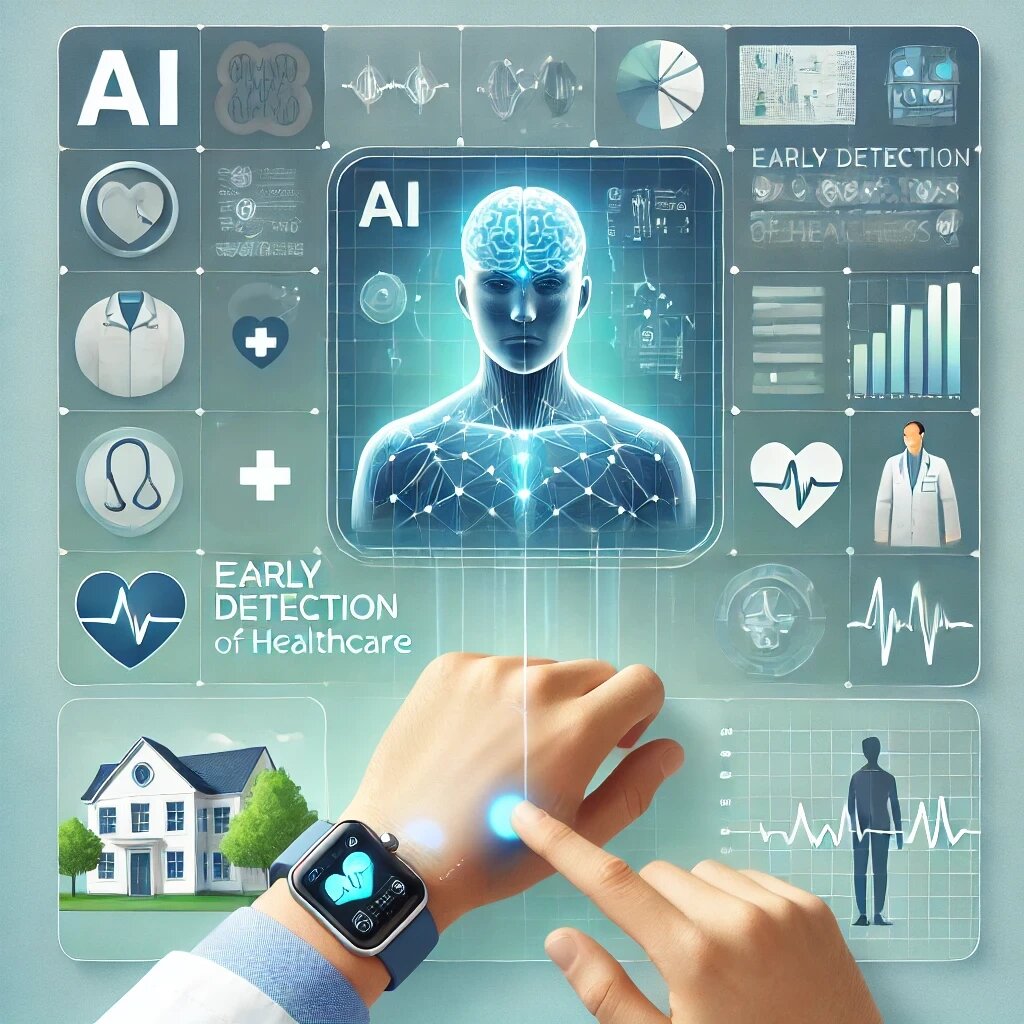
AI has enhanced wearable technology, allowing devices to process real-time data, make personalized recommendations, and even predict potential health issues. Whether you’re a fitness enthusiast or looking to improve overall health, wearable devices offer tools tailored to your lifestyle.
Key AI features include:
- Real-Time Health Monitoring: Track vital signs, such as heart rate, blood oxygen levels, and ECG.
- Personalized Insights: AI algorithms learn your habits and suggest tailored improvements.
- Predictive Health Alerts: Identify irregularities like arrhythmias or sleep apnea early.
Top Picks: Wearable Health Devices with AI
| Device | Features | Best for | Price Range |
|---|---|---|---|
|
Apple Watch Series 9 |
ECG monitoring, blood oxygen tracking, fitness goals |
Fitness enthusiasts and general health monitoring |
$399+ |
|
Fitbit Sense 2 |
Stress management, heart health tracking, sleep stages |
Stress relief and holistic wellness |
$299+ |
|
WHOOP 4.0 |
Recovery metrics, strain tracking, AI-driven coaching |
Athletes and high-performance training |
$30/month (subscription) |
|
Oura Ring Gen 3 |
Sleep insights, readiness scores, temperature tracking |
Sleep optimization and recovery |
$299+ |
|
Garmin Venu 2 |
GPS, advanced fitness metrics, hydration tracking |
Runners and outdoor enthusiasts |
$399+ |
Benefits of Wearable Health Devices
- Real-Time Health Monitoring:
Wearables track vital metrics, such as heart rate, blood oxygen levels, and calories burned, providing instant feedback. These features help you stay informed about your physical condition and adjust your routines accordingly. - Improved Fitness Performance:
AI-powered devices analyze your workouts, suggest improvements, and monitor progress toward fitness goals. Whether you’re training for a marathon or starting a fitness journey, wearables offer tailored insights for better results. - Stress and Sleep Management:
Stress-tracking tools detect physical indicators of stress and suggest relaxation techniques like breathing exercises. Similarly, sleep monitoring features analyze patterns, helping you optimize rest and recovery. - Early Health Alerts:
Some wearables use AI to detect abnormalities, such as irregular heartbeats or breathing issues. These devices can notify you early, prompting medical attention and potentially preventing severe complications. - Enhanced Lifestyle Integration:
Many devices sync with apps, allowing you to monitor nutrition, hydration, and activity levels in one place. This integration makes it easier to maintain a healthy lifestyle.
Choosing the Right Wearable for Your Needs
When selecting a wearable health device, consider the following:
- Health Goals: Are you focused on fitness, recovery, or overall wellness?
- Budget: Choose a device that fits your price range, including potential subscription fees.
- Features: Look for specific capabilities, such as sleep tracking or ECG monitoring.
- App Ecosystem: Ensure the device integrates with apps or platforms you already use.
- Comfort: A device worn daily should feel natural and unobtrusive.
Challenges and Considerations
While wearable health devices are revolutionary, they come with some challenges:
Data Privacy: Devices collect sensitive health data, which could be vulnerable to misuse. Choose devices with robust privacy policies.
Accuracy: No device is 100% accurate, so use readings as guidelines rather than definitive measures.
Cost: High-quality devices can be expensive, with some requiring ongoing subscription fees.
Have you read – Common Mistkes In savings?
The Future of Wearable Health Devices
Wearable technology continues to evolve, with upcoming innovations including:
- AI-Driven Diagnostics: Devices that predict illnesses or recommend treatments.
- Advanced Wearable Sensors: Continuous glucose monitoring and hydration tracking.
- Seamless Integration: Greater compatibility with smart homes and healthcare systems.
- Eco-Friendly Designs: Wearables made with sustainable materials.
Embrace the AI Advantage
Wearable health devices are more than just tech gadgets; they’re tools for transforming your lifestyle and health. With AI at the forefront, these devices offer a smarter, more personalized approach to wellness. Whether you’re an athlete, a busy professional, or someone seeking balance, investing in a wearable health device can help you achieve your goals and live better.




2 Responses