
10 Proven AI Parenting Techniques to Raise Tech-Savvy, Healthy Children
In today’s fast-paced digital era, parents often find themselves wondering how to leverage modern technology to nurture their children’s growth while maintaining a healthy, balanced lifestyle. Fortunately, AI parenting techniques are now more accessible than ever, offering personalized guidance, streamlined routines, and valuable insights into your child’s needs.
In this article
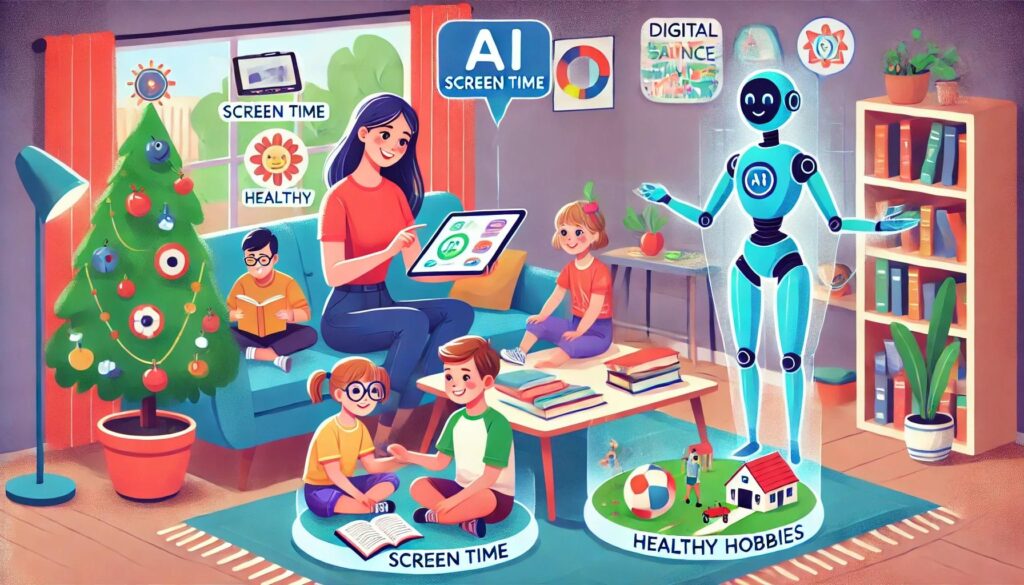
By integrating AI parenting tools and digital parenting strategies, you can support your child’s academic achievements, emotional well-being, and overall development—all while ensuring they grow up with a tech-savvy edge.
Whether you’re new to AI-driven resources or looking to refine your approach, the following ten techniques will help you raise healthy children who thrive in an increasingly connected world.
1) Introduce Smart Parenting Apps Early
One of the first AI parenting techniques you can implement is to integrate smart parenting apps into your daily routines. These apps:
- Suggest age-appropriate activities and games
- Offer personalized development milestones
- Help you track sleep patterns, nutrition, and behavior changes
By getting started when your children are young, both you and your kids become comfortable with the technology. This sets a positive precedent for using AI tools as they grow older.
2) Use AI-Powered Educational Tools
Modern child-friendly technology solutions include AI-powered tutoring apps that adapt to each child’s learning style. These platforms:
- Offer dynamic quizzes and challenges
- Provide instant feedback on homework assignments
- Recommend additional resources based on performance
By integrating these resources, you empower your children to learn independently. In turn, this bolsters their confidence, strengthens their critical thinking skills, and fosters a lifelong love of learning.
For more insights on ensuring your child’s secure and guided online presence, visit our guide on improving child digital safety to help you maintain a worry-free digital environment.
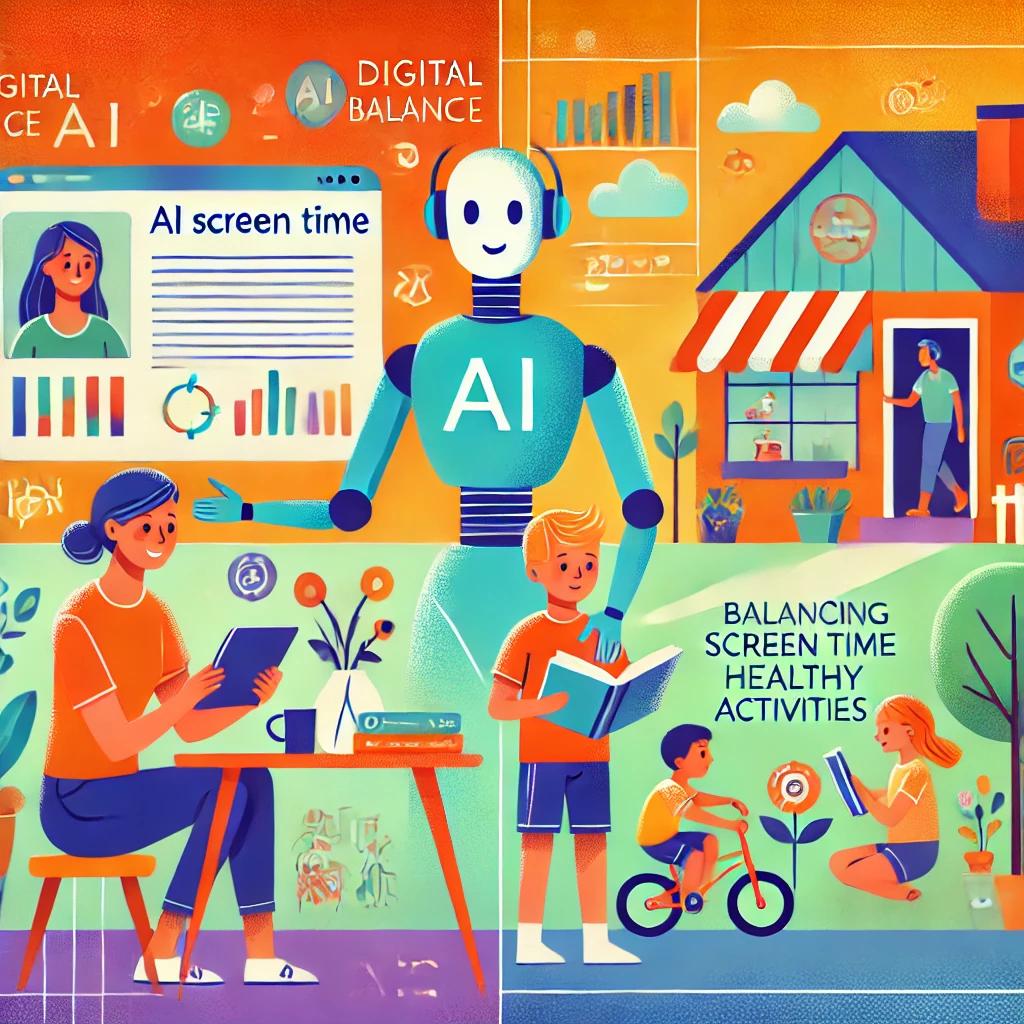
3) Implement Digital Parenting Strategies for Screen Time
Screen time management is one of the most essential AI parenting techniques. Consider using AI-driven parental control tools that:
- Set daily or weekly screen time limits
- Automatically pause devices during family meals or bedtime
- Provide usage reports so you can identify trends
These tools help maintain a healthy balance, ensuring your children benefit from technology without becoming overly reliant on their screens.
4) Encourage Emotional Intelligence with AI Companions
AI companions, such as chatbots or interactive toys, can play a surprising role in building emotional intelligence. These tools:
- Respond empathetically to children’s questions
- Use natural language processing to understand feelings
- Offer calming exercises, such as guided breathing
By engaging with AI companions, children can practice expressing their emotions and learn healthy coping mechanisms. Over time, these positive interactions nurture empathy, patience, and communication skills.
5) Integrate AI Parenting Tools for Better Routine Management
Streamlining daily routines is easier with smart parenting apps that manage chores, bedtime schedules, and extracurricular activities. Consider apps that:
- Create customized morning and evening checklists
- Send automated reminders to complete tasks on time
- Adjust routines based on observed patterns (e.g., later bedtimes on weekends)
When everyone in the household knows what to expect, day-to-day life runs smoother. Less chaos means more quality family time and a happier, healthier home environment.
6) Monitor Developmental Milestones with AI
AI-driven health and development trackers can analyze your child’s growth patterns, motor skills, and language acquisition. These insights:
- Alert you to potential developmental delays earlier
- Suggest age-appropriate learning activities
- Provide data you can share with pediatricians or educators
By staying informed about your child’s progress, you can take proactive steps if any concerns arise, ultimately ensuring they receive the support they need to thrive.
For trustworthy reviews and expert advice on digital tools, consider exploring Common Sense Media, a reputable external resource that helps parents navigate the digital world confidently.
7) Promote Healthy Habits Through AI-Driven Fitness and Nutrition Apps
Another set of AI parenting techniques involves promoting a balanced lifestyle. AI-powered nutrition and fitness apps can:
- Recommend kid-friendly meal plans tailored to dietary needs
- Track activity levels and suggest fun, movement-based games
- Offer gentle reminders to drink water or take short exercise breaks
By encouraging healthy habits early, you help your children appreciate the value of nutrition and physical activity, ensuring their well-being as they grow.
8) Leverage AI for Advanced Language and Communication Skills
As the world becomes more interconnected, language skills are invaluable. AI-driven language learning apps can:
- Teach new languages through fun quizzes, storytelling, and flashcards
- Adapt to your child’s progress, introducing challenges at the right time
- Offer multilingual support for families raising bilingual children
Enhanced communication abilities not only open doors academically but also enrich cultural experiences and empathy for others’ perspectives.
9) Use AI Tools to Foster Creativity and Curiosity
AI isn’t just for traditional academics. It can also spark creativity. Through AI-powered art, music, and storytelling apps:
- Children can experiment with digital drawing, painting, or composing music
- Curated suggestions inspire them to explore new hobbies
- Real-time feedback encourages growth, even in creative pursuits
When children engage their imagination, they develop problem-solving skills and unique interests that enrich their future endeavors.
10) Combine Data and Intuition for Well-Rounded Parenting
While AI parenting techniques provide valuable insights, never underestimate the power of your parental intuition. Balance data-driven decisions with:
- Observing your child’s mood, interests, and overall happiness
- Communicating openly about their online and offline experiences
- Remaining flexible and adjusting strategies based on feedback
Over time, you’ll find a sweet spot where technology and empathy work hand-in-hand, ensuring your children feel supported, understood, and empowered.
Additional Tips for Maximizing Your Results
- Combine Traditional and Digital Methods:
Use books, outdoor play, and family discussions to complement AI parenting techniques, ensuring a holistic upbringing. - Stay Updated on New AI Tools:
Technology evolves rapidly. Keep an eye out for updates, new features, and emerging platforms to maintain a cutting-edge parenting toolkit. - Encourage Feedback from Your Children:
Talk to your kids about which apps they find helpful or frustrating. Adjust your approach based on their feedback, fostering open communication.
Conclusion
Raising children in a digitally connected world doesn’t have to be daunting. By embracing these AI parenting techniques, you provide personalized learning paths, foster emotional well-being, and maintain a balanced lifestyle that respects both technology and human connection. As you experiment with AI parenting tools, digital parenting strategies, and child-friendly technology solutions, your family’s journey becomes more informed, engaging, and harmonious.
Over time, the synergy of data-driven insights and genuine parental intuition will empower your children to grow into well-rounded, compassionate individuals who feel confident navigating the digital age with resilience and grace.
FAQ
Q: What are AI parenting techniques?
A: AI parenting techniques are methods that leverage artificial intelligence, including apps and tools, to support various aspects of child-rearing, from education to emotional well-being.
Q: How can AI parenting tools help with screen time management?
A: AI parenting tools can set time limits, track device usage, and send reminders, helping maintain healthy screen time habits and balance children’s online and offline activities.
Q: Is it safe to rely on AI for monitoring my child’s development?
A: AI tools provide data and suggestions, but they should complement—not replace—professional guidance. Always consult a pediatrician or educator if you have concerns about your child’s progress.
Q: Can AI-driven apps help children learn multiple languages?
A: Yes. Many AI language-learning apps adapt to your child’s abilities and pace, making it easier to learn and practice multiple languages through interactive exercises and stories.