
9 Empowering Steps to Improve Child Digital Safety at Home
The digital world is an exciting place, brimming with knowledge, entertainment, and opportunities for connection. Yet for parents, managing child digital safety can sometimes feel like navigating through uncharted waters.
In this article
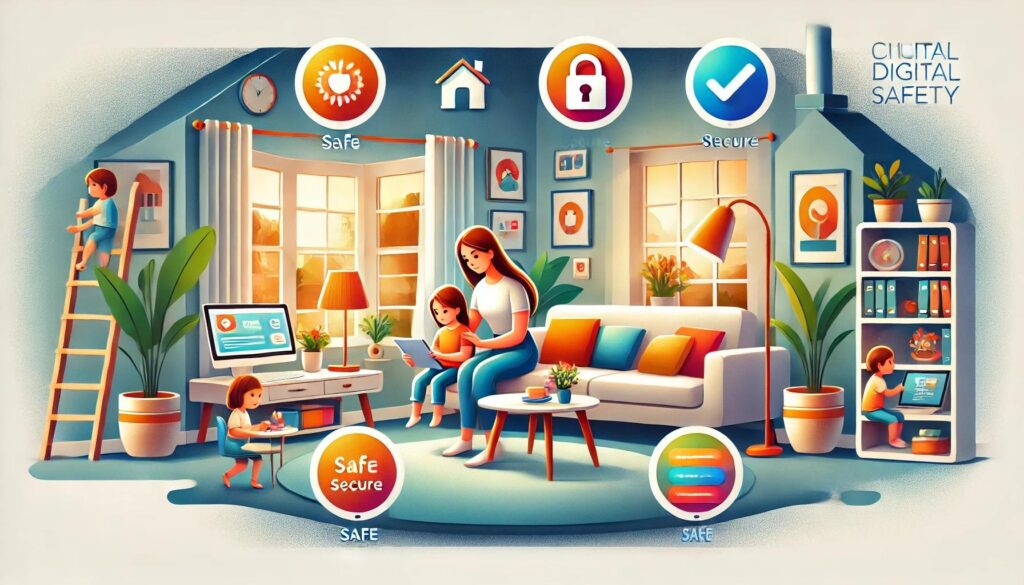
With the right approach, you can foster a secure online environment that encourages curiosity without compromising security. By using modern strategies, internet parental controls, and reliable digital parenting tools, you can help ensure that your children grow into confident, responsible digital citizens.
Below are nine empowering steps that will guide you in strengthening child digital safety at home. Each step aims to provide practical advice, easy-to-implement strategies, and the reassurance you need as you guide your children through the online universe.
1) Start with an Open Family Dialogue
A strong foundation for child digital safety begins with open, honest communication. Talk to your kids about:
- Their favorite websites, games, or online activities.
- What they find exciting or confusing about the digital world.
- How to identify risky scenarios, like strangers reaching out or suspicious links.
By creating a safe space for conversation, you reinforce trust and help your children feel comfortable sharing concerns. Over time, these discussions become an invaluable part of your family’s strategy for maintaining online privacy for kids.
2) Establish Clear Rules and Boundaries
Setting expectations helps children understand what is allowed and what’s off-limits online. Consider:
- Defining daily or weekly screen time limits.
- Listing approved websites, apps, and games.
- Restricting devices in bedrooms, especially at night.
By creating these boundaries, you reinforce the importance of safety and help prevent issues from arising in the first place. Aligning the rules with your family’s values ensures that everyone knows what’s expected, reducing conflicts over device use.
3) Use Internet Parental Controls and Filtering Software
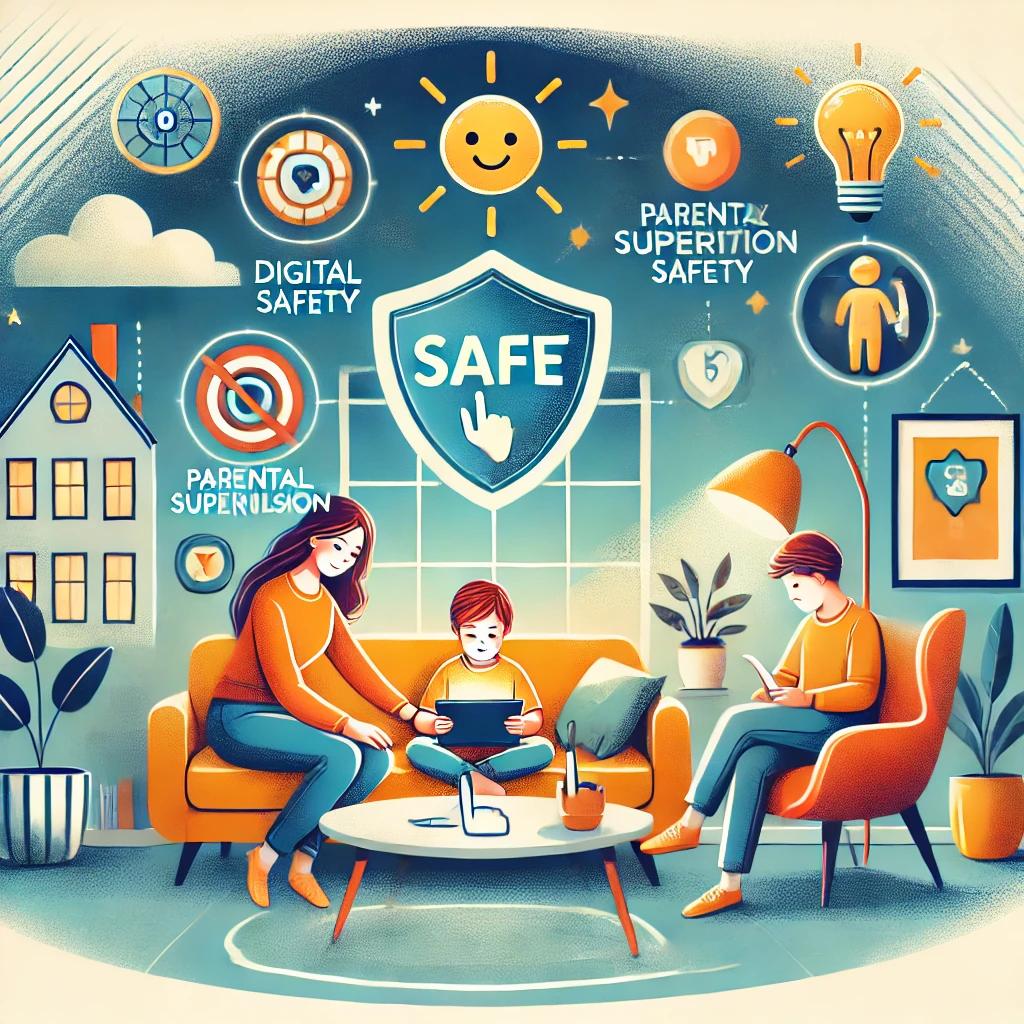
When it comes to child digital safety, technology can be a powerful ally. Consider using built-in parental controls on smartphones, tablets, and gaming consoles. Additionally, specialized filtering software can:
- Block age-inappropriate websites and content.
- Monitor chat interactions and alert you to suspicious behavior.
- Help you customize settings for each child’s age and maturity level.
For a reliable external resource, you might explore tools like Net Nanny, which provides comprehensive controls to keep your child’s online experiences secure. As your child matures, you can gradually adjust these settings, empowering them to navigate the digital space independently.
4) Educate About Online Privacy and Personal Information
A key element of child digital safety involves teaching children the importance of safeguarding personal details. Encourage them to:
- Never share their real name, address, or phone number with strangers online.
- Avoid posting photos that reveal their location or school uniform.
- Understand that certain information, like passwords or family financial details, is always private.
By instilling an early understanding of online privacy for kids, you equip them to make safer choices as they grow older and explore new digital platforms.
5) Introduce Digital Parenting Tools for Monitoring
Digital parenting tools take much of the guesswork out of managing child digital safety. These solutions can:
- Track time spent on specific apps or websites.
- Send you alerts if suspicious activities occur.
- Provide reports that highlight emerging patterns in your child’s internet usage.
This data-driven approach helps you identify potential risks and steer your children toward safer online habits. Instead of hovering over their shoulder every minute, you can rely on these tools to provide insight, allowing you to step in when necessary.
Have you read – Common Mistakes in Savings?
6) Encourage Critical Thinking and Media Literacy
Beyond filters and controls, children need the skills to evaluate online content themselves. Help them develop critical thinking abilities by:
- Discussing the difference between reliable sources and biased information.
- Exploring how to identify fake news, scams, and phishing attempts.
- Encouraging questions about why certain content is created.
By nurturing media literacy, you give your kids the tools to navigate the internet confidently. They learn that not everything they see online is truthful or safe, improving child digital safety through their informed decision-making.
7) Stay Updated on Emerging Trends and Threats
The digital world evolves rapidly. To maintain child digital safety, keep yourself informed about:
- New social media platforms popular among children and teens.
- Evolving cybersecurity threats like malware, ransomware, or online predators.
- Updates to parental control features or digital parenting tools.
Regularly reviewing reliable parenting resources can help you stay ahead of the curve. For more insights on modern parenting and technology, visit the Parenting in Everyday Lives section at FutureTechPulse and explore additional ways technology can support a safer home environment.
8) Model Responsible Online Behavior
Children often mimic the habits they observe at home. Model the behavior you wish to see in your child by:
- Respecting others in online forums and social media.
- Limiting your own screen time and device use, especially during family activities.
- Demonstrating how to handle disagreements calmly and courteously online.
When children see parents practicing what they preach, they understand that these guidelines aren’t just rules—they’re valuable life skills. By showcasing positive digital citizenship, you help solidify the importance of child digital safety in their minds.
9) Recognize and Celebrate Positive Progress
When your child makes a safe choice online—like reporting a suspicious user or discussing a concerning interaction—acknowledge their good judgment. Consider:
- Praising their efforts to follow family guidelines.
- Sharing stories of how their smart decisions made a difference.
- Offering small rewards or additional privileges for consistent adherence to rules.
Positive reinforcement helps children feel empowered rather than restricted by child digital safety measures. It also encourages them to speak up and stay vigilant, as they know their good choices matter to the family’s well-being.
Additional Tips for a Secure Online Environment
- Consider using family cybersecurity measures like password managers and secure Wi-Fi settings to protect data.
- Involve your child in researching safe apps or websites to use, letting them take ownership of their online experience.
- Keep lines of communication open, so children feel comfortable raising concerns before they become bigger problems.
Conclusion
Fostering child digital safety is an ongoing journey. As your children grow, their online interests and capabilities will evolve. By staying informed, implementing internet parental controls, introducing digital parenting tools, and focusing on communication, you create a roadmap for safer online exploration.
Over time, your efforts not only reduce risks but also instill valuable life skills. Children who learn to think critically, communicate openly, and respect boundaries online are better prepared to navigate the digital world responsibly. With these nine empowering steps, you can feel confident in guiding your children toward a secure, balanced, and enriching online future.




2 Responses