Futuretechpulse

The Rise of Edge Computing: What It Means for Businesses

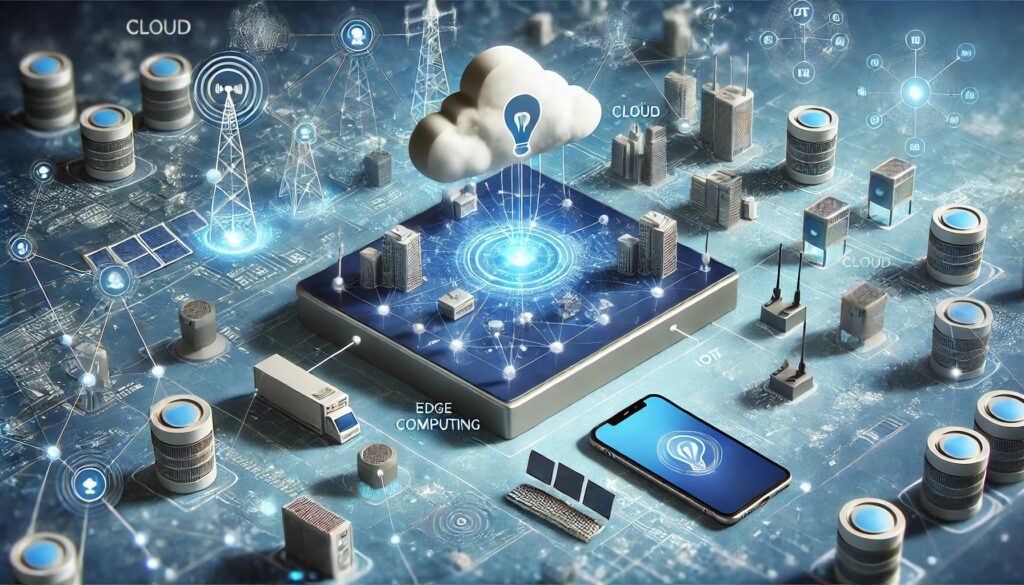
In a world driven by data, speed, and connectivity, edge computing is emerging as a game-changing technology for businesses. Unlike traditional cloud computing, which relies on centralized data centers, edge computing processes data closer to its source.

In this article
Edge Computing

The Shift Toward Edge Computing

. This paradigm shift reduces latency, enhances efficiency, and enables real-time decision-making. In this post, we’ll explore what edge computing is, its business implications, and how companies can leverage it for a competitive edge.

What is Edge Computing?

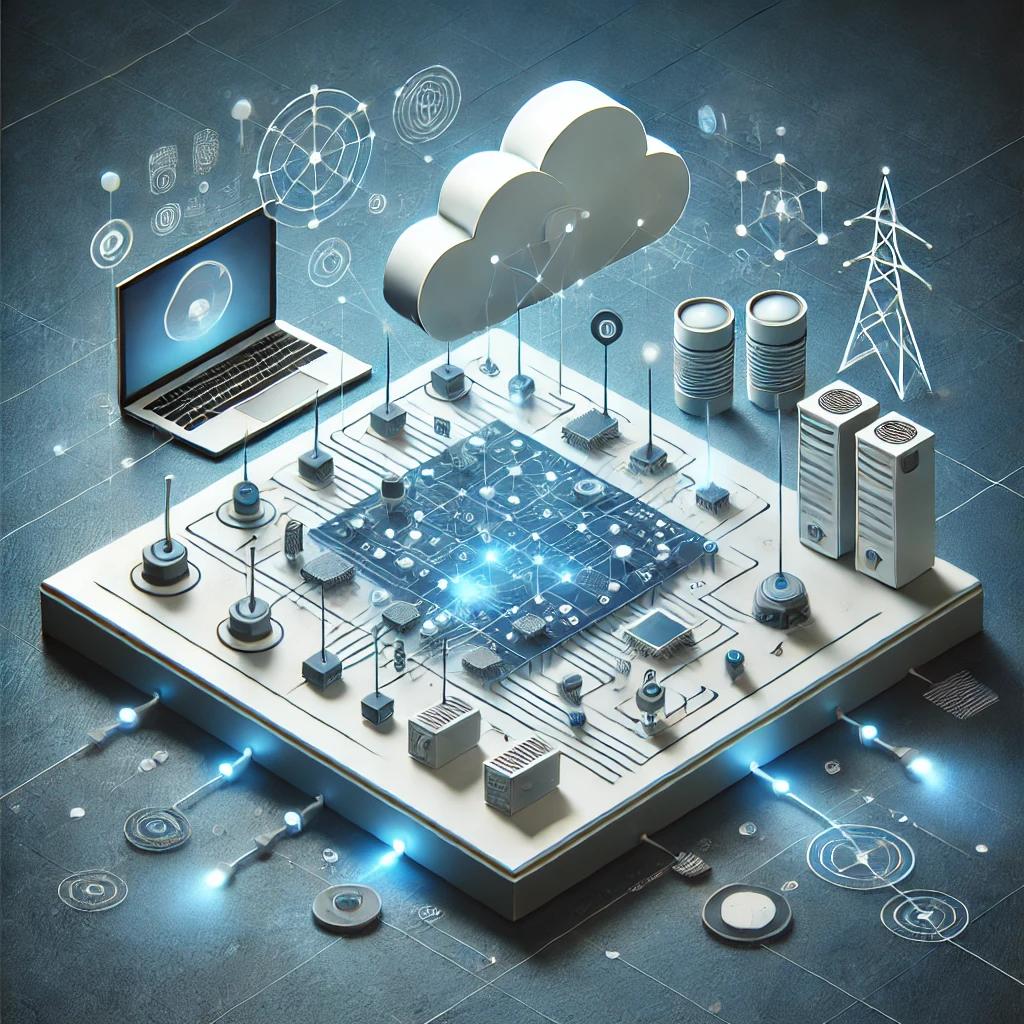
Edge computing is a decentralized computing model that brings data processing and storage closer to the devices and applications generating it. Instead of sending data to distant data centers, edge computing handles it locally, reducing the need for constant cloud connectivity.

Key Characteristics:

  • Low Latency: Processes data in milliseconds for real-time applications.
  • Bandwidth Optimization: Reduces the volume of data sent over networks.
  • Enhanced Security: Limits data exposure by processing it locally.

Example: A smart factory with IoT sensors processes production data on-site to optimize workflows instantly without relying on remote servers.

Have you read – AI-powered Side Husltles?

Benefits of Edge Computing for Businesses

  1. Faster Data Processing:
    Edge computing eliminates delays caused by sending data to and from centralized servers. This is critical for industries like healthcare, where real-time processing can save lives (e.g., wearable health monitors detecting abnormalities instantly).
  2. Cost Efficiency:
    By processing data locally, businesses reduce bandwidth usage and cloud storage costs. This is especially beneficial for industries managing massive amounts of data, such as video streaming or autonomous vehicles.
  3. Improved Reliability:
    With edge computing, businesses remain operational even during network outages. Localized processing ensures minimal disruption, which is crucial for sectors like manufacturing or retail.
  4. Enhanced Security:
    Sensitive data is processed closer to its source, reducing the risk of exposure during transmission. This makes edge computing ideal for industries like finance, where data protection is paramount.
  5. Scalability for IoT Devices:
    As IoT adoption grows, edge computing supports the seamless integration of billions of connected devices, enabling smarter homes, cities, and industries.
Edge Computing

Use Cases of Edge Computing

  1. Smart Manufacturing:
    In factories, edge computing powers predictive maintenance, optimizing equipment performance and reducing downtime. Real-time data analysis ensures seamless operations and higher productivity.
  2. Healthcare:
    Edge computing supports remote patient monitoring, wearable health devices, and telemedicine. By processing data locally, healthcare providers can respond faster to emergencies and deliver personalized care.
  3. Retail:
    Retailers use edge computing for in-store analytics, dynamic pricing, and inventory management. For example, real-time customer tracking can inform store layouts or promotions.
  4. Autonomous Vehicles:
    Self-driving cars rely on edge computing to process sensor data in real time, ensuring rapid decision-making for safety and navigation.
  5. Content Delivery:
    Streaming platforms and gaming companies use edge computing to reduce latency, ensuring smooth user experiences. For example, Netflix leverages edge servers to deliver content faster to viewers.

Challenges of Edge Computing

Despite its benefits, edge computing comes with challenges:

Deployment Costs: Setting up localized infrastructure can be expensive, especially for small businesses.

Data Management Complexity: Decentralized data processing requires advanced management tools and expertise.

Scalability: As the number of edge devices grows, managing them effectively becomes a logistical challenge.

Solution: Businesses should begin with pilot projects, partnering with edge computing service providers to address these hurdles.

The Future of Edge Computing

As industries embrace the power of edge computing, its future applications are becoming more exciting:

  1. AI at the Edge:
    Combining AI with edge computing will enable smarter devices, from security cameras detecting intruders to agricultural drones analyzing crop health.
  2. 5G and Edge Integration:
    The rollout of 5G will amplify the potential of edge computing, supporting real-time applications like remote surgeries and immersive AR/VR experiences.
  3. Green Computing:
    Edge solutions will focus on energy efficiency, aligning with sustainability goals.

How to Get Started with Edge Computing

  1. Evaluate Your Needs:
    Identify processes that require real-time data processing or suffer from latency issues.
  2. Choose the Right Infrastructure:
    Work with providers like AWS Outposts, Microsoft Azure Edge, or Google Cloud IoT to implement edge solutions.
  3. Start Small:
    Begin with a single use case, such as enhancing IoT device performance, and scale up as needed.
  4. Invest in Security:
    Ensure robust cybersecurity measures are in place to protect localized data.

Embrace the Edge

Edge computing is not just a technology of the future—it’s a tool for solving today’s business challenges. By enabling faster, more efficient, and secure data processing, it empowers companies to innovate and stay competitive in an increasingly connected world. Businesses that invest in edge computing today will be at the forefront of tomorrow’s technological revolution.