How to Build a Smart Home on Budget
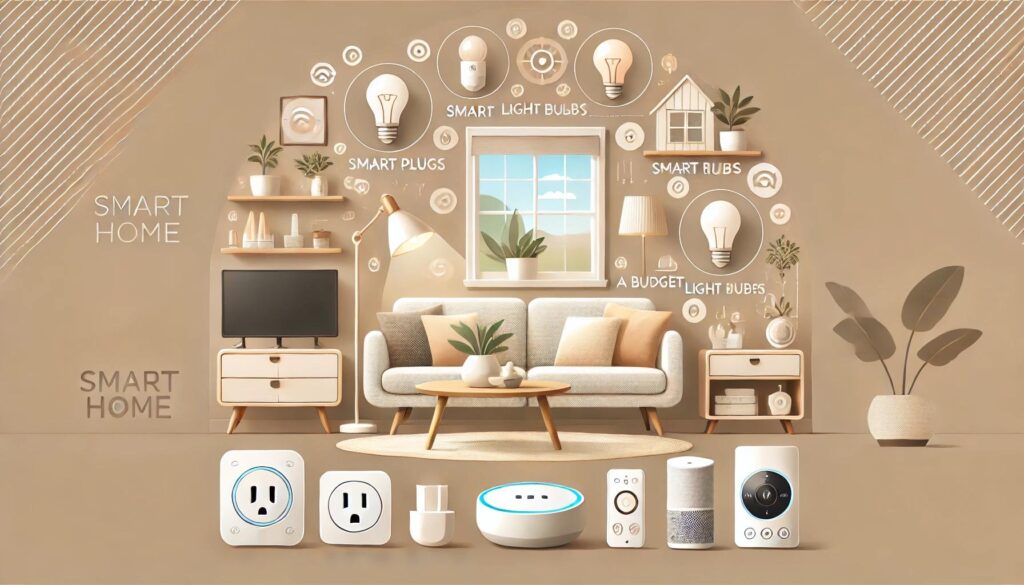
Building a smart home on Budget no longer requires a massive investment. With affordable devices, innovative DIY solutions, and smart shopping strategies, you can enhance your home’s efficiency and convenience without overspending.
In this article
This guide will show you how to build a smart home on a budget, covering the essentials and practical tips to get started.
Benefits of a Smart Home on Budget
Before diving into the details, here’s why a smart home is worth considering:
- Energy Savings: Smart thermostats and lights optimize energy use, reducing utility bills.
- Enhanced Security: Affordable cameras and sensors add layers of safety to your home.
- Convenience: Control devices with voice commands or apps from anywhere.
- Customization: Tailor smart solutions to your specific needs, from entertainment to home automation.
Step 1: Start with Affordable Smart Hubs
A smart hub is the central control system of your smart home. Here are a few budget-friendly options:
- Amazon Echo Dot: An affordable, compact smart speaker powered by Alexa, ideal for controlling compatible devices.
- Google Nest Mini: Google’s entry-level smart speaker offers robust voice control for various devices.
- SmartThings Hub: A versatile option for connecting multiple smart home systems.
Tip: Choose a hub compatible with your preferred ecosystem (Amazon Alexa, Google Assistant, or Apple HomeKit).
Step 2: Smart Lighting on a Budget
Lighting is one of the easiest and most affordable smart home upgrades:
Smart Bulbs: Brands like Wyze and TP-Link Kasa offer bulbs for under $20 each, controllable via apps or voice commands.
Motion Sensors: Pair inexpensive motion sensors with smart bulbs to automate lighting for convenience and energy savings.
Dimmers and Switches: Smart dimmers like Lutron Caséta add sophistication without the cost of smart bulbs in every fixture.
Step 3: Budget-Friendly Smart Security
You don’t need an expensive system to secure your home:
Smart Cameras: Wyze Cam offers high-quality indoor and outdoor cameras for under $50.
Video Doorbells: Affordable options like Blink Video Doorbell provide two-way audio and motion detection.
Smart Sensors: Door and window sensors from brands like Aqara or Ring help monitor home security for less than $25.
Have you read – Upcoming Fitness Trends?
Step 4: Affordable Climate Control
Smart climate control can save money and increase comfort:
Smart Thermostats: The Wyze Thermostat and Amazon Smart Thermostat offer energy-saving features at a fraction of the cost of high-end models like Nest.
Smart Plugs: Control fans, heaters, or humidifiers with budget-friendly plugs like Gosund or Kasa.
Step 5: Entertainment on a Budget
Upgrade your home entertainment without overspending:
Streaming Devices: Affordable options like Roku Express and Amazon Fire Stick turn any TV into a smart TV.
Smart Speakers: Use devices like the Echo Dot or Google Nest Mini for music, podcasts, and more.
Universal Remotes: A budget-friendly universal remote, like those from BroadLink, can streamline your device control.
Step 6: DIY Smart Home Automation
If you’re tech-savvy, DIY solutions can save money:
Raspberry Pi Projects: Use a Raspberry Pi to build custom smart home systems, such as security cameras or automation hubs.
IFTTT (If This Then That): Create free, custom automations to connect smart devices without needing a hub.
Open-Source Software: Tools like Home Assistant provide free platforms to integrate and control smart devices.
Step 7: Shop Smart and Save
Smart home devices often go on sale, so plan purchases wisely:
Wait for Deals: Look out for discounts during sales like Black Friday, Prime Day, and holiday promotions.
Bundle Purchases: Brands often offer discounts for bundled items, like a smart speaker and bulbs.
Refurbished Devices: Buy certified refurbished products from reputable retailers to save money without sacrificing quality.
Challenges of Building a Smart Home on Budget
Even on a budget, building a smart home comes with challenges:
Compatibility Issues: Not all devices work seamlessly together.
Wi-Fi Dependence: Ensure your network can handle multiple connected devices.
Setup Complexity: Some devices require technical know-how or additional equipment.
Solution: Research device compatibility and invest in a robust Wi-Fi router for smooth operation.
The Future of Budget-Friendly Smart Homes
With advancements in technology, smart home devices are becoming more accessible:
- Affordable AI Assistants: Voice assistants will become smarter and cheaper.
- Energy-Efficient Devices: Expect more eco-friendly smart gadgets with lower operating costs.
- Seamless Integration: Companies are working toward universal compatibility to simplify setups.


One Response