
Upcoming Trends in Fitness Tech
The world of fitness is evolving faster than ever, and upcoming trends in fitness tech are set to transform the way we exercise and stay healthy.
In this article
From AI-powered wearables to immersive virtual reality workouts, these innovations promise smarter, more engaging ways to achieve your fitness goals. Let’s dive into the top trends shaping the future of fitness technology.
1. AI-Powered Personalized Coaching
AI is revolutionizing fitness coaching by creating hyper-personalized workout and nutrition plans. These systems analyze data like fitness level, progress, and even biometric inputs such as heart rate or metabolic rate. Apps like Fitbod already adjust routines dynamically based on your performance, and future iterations will integrate even more data sources like genetics and lifestyle patterns. This trend ensures that every individual gets a plan that’s tailored specifically for their body and goals.
- What’s New: Apps will increasingly use AI to deliver ultra-personalized coaching based on data from wearables, genetic testing, and daily habits.
Future Impact: AI will offer real-time feedback on exercise form, suggest tailored nutrition plans, and adjust routines dynamically based on progress or injuries.Artificial intelligence refers to the development of computer systems capable of performing tasks that would typically require human intelligence. These tasks include problem-solving, learning, reasoning, and even understanding language.
AI systems achieve this through a combination of algorithms, vast datasets, and computational power, mimicking human decision-making processes.
There are several types of AI:
- Narrow AI – Designed to perform specific tasks (e.g., facial recognition or language translation).
- General AI – Hypothetical AI that can perform any intellectual task like a human (still under development).
- Super AI – A futuristic concept of AI surpassing human intelligence.
Currently, most real-world applications fall under narrow AI, such as chatbots, recommendation systems, and virtual assistants like Alexa or Siri.
2. Virtual Reality (VR) and Augmented Reality (AR) Workouts
Immersive VR and AR technologies are transforming workouts into engaging and interactive experiences. Platforms like Supernatural transport users to scenic environments where they perform exercises such as boxing or yoga. AR will further enhance real-world workouts by overlaying visual aids, such as form corrections or target areas, during live sessions. These technologies make fitness fun and accessible, especially for those who find traditional routines monotonous.
- What’s New: Fitness platforms like Supernatural and FitXR combine VR with exercise routines, creating interactive environments that make workouts engaging and fun.
- Future Impact: Expect AR-based overlays during live workouts, such as virtual trainers correcting form or providing motivation in real-time.
3. Smart Home Gym Equipment
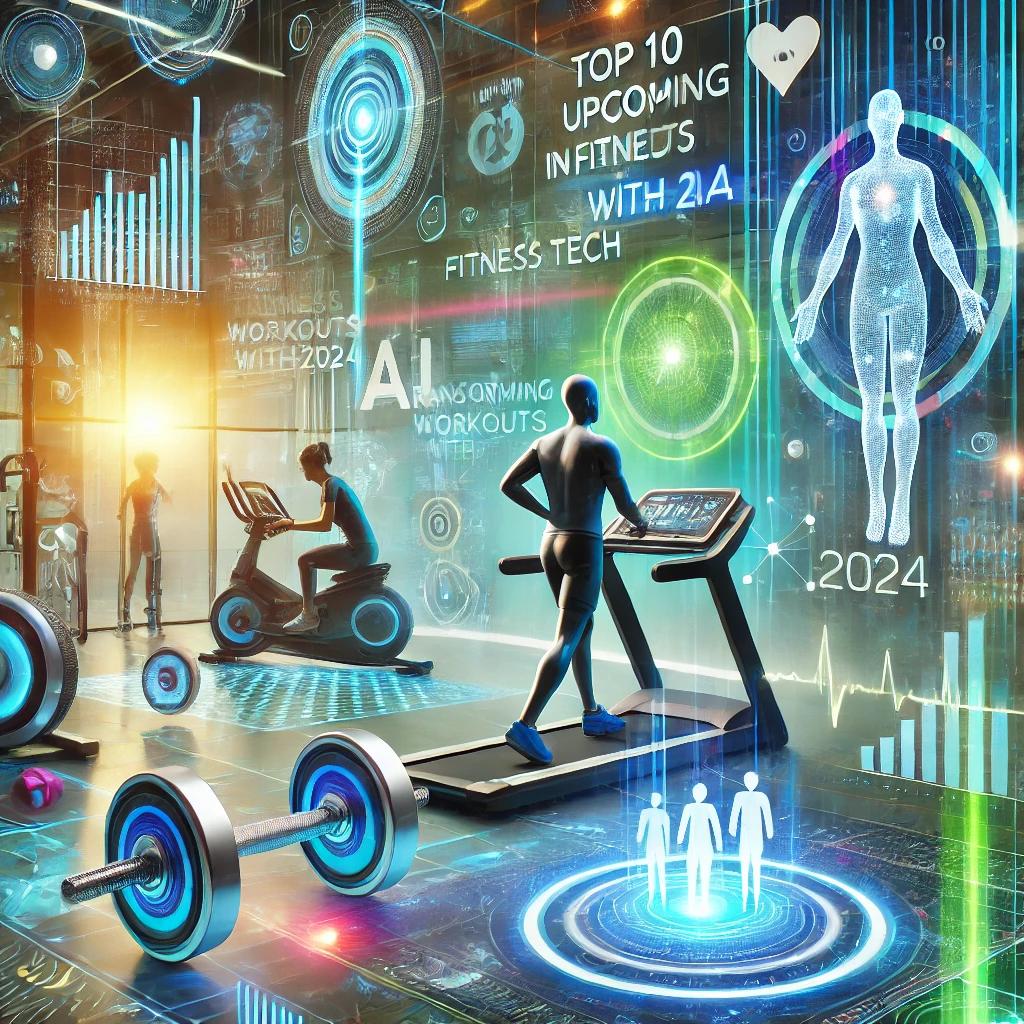
Connected home gym equipment is becoming more compact and smarter. Devices like Tonal and Mirror integrate AI to provide real-time feedback on form, suggest adjustments, and track progress over time. These systems often double as sleek home decor while offering the functionality of a professional gym. As people prioritize convenience and flexibility, this trend will continue to redefine at-home fitness solutions.
- What’s New: Innovations like Tonal, Mirror, and Peloton Guide offer personalized workout experiences integrated with AI.
- Future Impact: Equipment will increasingly integrate with wearables and apps, creating a seamless ecosystem for tracking progress and syncing data.
4. Wearable Devices with Advanced Metrics
Wearables are evolving from simple step counters to comprehensive health monitors. Devices like the Apple Watch and WHOOP now measure heart rate variability, blood oxygen levels, and sleep stages. Future wearables will include more advanced capabilities, such as continuous glucose monitoring and hydration levels. This data-driven approach empowers users to make informed decisions about their health and fitness in real-time.
- What’s New: Devices like the Apple Watch and WHOOP now measure sleep quality, stress levels, blood oxygen, and even ECGs.
- Future Impact: Upcoming wearables will include hydration monitoring, continuous glucose tracking, and even early illness detection.
5. Biometric Data Integration
Fitness tech is increasingly incorporating biometric data into its systems to create holistic health solutions. Apps and wearables analyze data like resting heart rate, metabolic rates, and even hormonal patterns to fine-tune fitness plans. For example, metabolism trackers like Lumen help users optimize their diet based on whether their body is burning carbs or fat. This trend allows for a deeper understanding of individual health and fitness needs.
- What’s New: Apps and devices are starting to incorporate biometrics like heart rate variability (HRV), VO2 max, and metabolic rates into fitness recommendations.
- Future Impact: Biometric integration will allow for hyper-personalized plans that factor in everything from your daily stress levels to your immune health.
6. Gamification of Workouts
Gamified fitness apps turn exercise into an enjoyable and competitive experience. Apps like Freeletics and Zombies, Run! reward consistency, track progress, and add challenges or storylines to keep users engaged. Leaderboards, achievements, and virtual rewards encourage users to stay motivated and committed to their goals. Gamification not only helps sustain long-term engagement but also makes fitness appealing to a broader audience.
- What’s New: Platforms are adding features like leaderboards, rewards, and multiplayer challenges.
· Future Impact: Expect more gamified apps that offer virtual rewards, progress badges, and competitive challenges with friends or a global community.
7. Hybrid Fitness Models
The pandemic introduced hybrid fitness models, combining in-person and virtual experiences, which continue to evolve. Many gyms now offer live-streamed classes alongside on-demand content for members who prefer working out at home. Apps like Peloton excel in integrating in-gym and virtual classes. This trend provides flexibility, ensuring users can choose between physical locations or digital platforms depending on their schedules.
- What’s New: Apps now offer live-streamed and on-demand classes while supporting real-world gym visits.
· Future Impact: Integration between gyms and apps will deepen, with shared data enabling seamless transitions between in-gym and at-home workouts.
8. AI Nutrition and Meal Planning
AI is enhancing fitness tech by offering personalized meal recommendations and diet plans based on user data. Apps like MyFitnessPal and Lumen analyze factors such as activity levels, metabolic rates, and dietary preferences to suggest optimal nutrition. In the future, AI will provide real-time feedback on meal choices, making it easier to align diet with fitness goals. This trend bridges the gap between fitness and nutrition for a complete wellness solution.
- What’s New: Apps like Lumen analyze your metabolism and suggest meals in real-time.
- Future Impact: AI-driven apps will combine your activity levels, goals, and biometric data to provide highly tailored meal recommendations and recipes.
9. Mental Fitness Integration
Fitness apps are increasingly integrating mental health features, recognizing the connection between mental and physical well-being. Platforms like Headspace and Calm offer mindfulness exercises, breathing techniques, and stress reduction tools alongside workout routines. This trend ensures that fitness tech caters to holistic health, helping users improve their mental resilience while achieving physical goals.
- What’s New: Platforms like Headspace and Calm are integrating with fitness apps to offer mindfulness exercises alongside workouts.
- Future Impact: Fitness tech will increasingly include features like stress reduction exercises, guided meditation, and mental wellness tracking.
10. Sustainable Fitness Tech
With the growing focus on sustainability, fitness tech brands are adopting eco-friendly practices. Products like EcoGym equipment generate energy while users work out, reducing environmental impact. Additionally, companies are prioritizing recyclable materials and energy-efficient manufacturing. This trend aligns fitness with environmental responsibility, appealing to eco-conscious users who want their workouts to have a positive impact.
- What’s New: Brands are using eco-friendly materials and creating energy-efficient equipment.
- Future Impact: Expect more companies to offer trade-in or recycling programs for fitness devices, along with apps encouraging environmentally conscious fitness habits.
11. Group Fitness in the Metaverse
The metaverse is transforming group fitness by creating virtual communities for live and interactive workouts. Platforms allow users to join global fitness challenges, collaborate in virtual gyms, and engage in real-time competitions. This trend combines social interaction with gamification, making fitness more inclusive and dynamic. As metaverse platforms grow, they’ll play a significant role in fostering community-driven fitness.
- What’s New: Metaverse platforms are hosting virtual group classes where participants can interact in real-time.
· Future Impact: Fitness in the metaverse will blur the lines between virtual and real-world experiences, allowing users to compete and collaborate globally
12. AI-Driven Recovery Tools
Recovery is becoming as important as workouts, and AI is stepping in to optimize it. Devices like Hyperice and Therabody use AI to monitor workout intensity and recommend recovery techniques such as stretching, massage, or rest. These tools adjust recommendations based on individual recovery needs, helping prevent injuries and improve overall performance. This trend ensures balanced fitness routines that prioritize long-term health.
- What’s New: Tools like Hyperice and Therabody are incorporating AI to recommend recovery routines based on workout intensity and individual needs.
- Future Impact: Expect apps and devices to monitor fatigue and suggest rest days, optimal recovery stretches, or massages tailored to your body’s needs.
Have you read – The future of Personal health?
13. Fitness Tech for Older Adults
As the population ages, fitness tech is adapting to meet the unique needs of older adults. Apps and devices are incorporating features like fall detection, low-impact exercise plans, and joint-friendly routines. Wearables like Fitbit offer heart health monitoring and mobility tracking tailored to seniors. This trend promotes active aging and empowers older users to maintain independence and physical health.
- What’s New: Wearables now include fall detection, joint-friendly exercise recommendations, and recovery optimization tailored to older adults.
- Future Impact: Apps and devices will increasingly focus on promoting mobility, bone health, and cardiovascular fitness in aging populations.
14. Voice-Activated Fitness Assistants
Voice technology is becoming integral to fitness routines, allowing users to interact with their devices hands-free. Assistants like Alexa and Google integrate with fitness apps to provide workout instructions, timers, and motivational cues. Future developments will include voice-activated smart gym equipment and real-time coaching. This trend enhances convenience and accessibility, especially for users with mobility challenges or busy lifestyles.
- What’s New: AI assistants like Alexa and Google Assistant can now guide workouts and provide real-time feedback.
- Future Impact: Expect fully voice-controlled fitness equipment and apps, allowing for hands-free operation and personalized coaching.
15. Micro-Workouts and Time-Efficient Training
With busy schedules, users are turning to short, high-intensity workouts to stay fit. Apps like Nike Training Club and Freeletics offer quick 5–15 minute sessions designed for maximum impact. These workouts target specific muscle groups or goals, making them ideal for users who want results without lengthy commitments. This trend prioritizes efficiency, proving that fitness doesn’t have to take hours out of your day.
- What’s New: Apps are offering workouts that last 5–15 minutes but still deliver significant results, leveraging HIIT (High-Intensity Interval Training).
- Future Impact: AI will optimize micro-workouts to target specific muscle groups or fitness goals within minimal timeframes.
Conclusion on Upcoming Trends in Fitness Tech
The rise of fitness technology trends like AI-driven coaching, gamified workouts, and wearable health tech is revolutionizing the way we approach fitness and wellness. With advancements in smart home gym equipment, biometric data integration, and even mental fitness tools, staying healthy has never been more personalized or accessible. Whether you’re leveraging AI-powered apps or joining virtual group workouts, these innovations ensure a more engaging and results-driven fitness experience. By embracing the latest trends, you can stay ahead of the curve and achieve your health goals with ease.




One Response