
What is the Future of Personal Health?
The future of personal health is unfolding before us, driven by cutting-edge technology and innovative approaches to wellness.
In this article
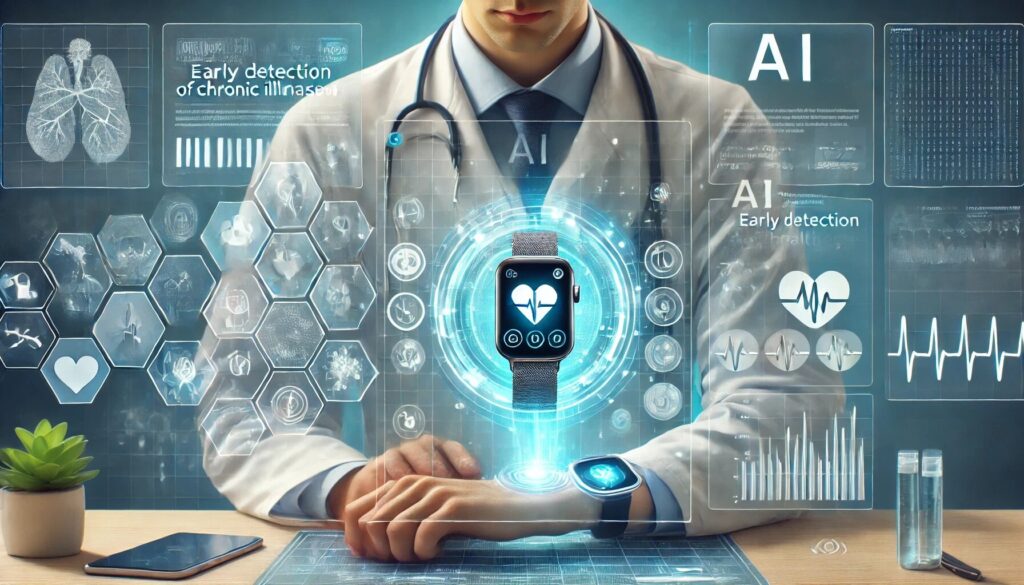
From wearable devices monitoring our every step to AI-driven diagnostics that predict illnesses before symptoms appear, healthcare is becoming more proactive and personalized. This transformation is redefining how we understand and manage our health, shifting the focus from treatment to prevention and optimization.
In this article, we’ll explore what is the future of personal health, how technology, particularly artificial intelligence, is shaping the future of personal health. From personalized medicine to mental health innovations, the advancements are profound, offering us new ways to live healthier, longer lives.
Personalized Medicine: Tailored Care for Every Individual
One of the most promising advancements in personal health is the emergence of personalized medicine. Unlike traditional approaches that apply a one-size-fits-all model, personalized medicine tailors treatment plans to an individual’s genetic makeup, lifestyle, and environment.
Genomic data plays a pivotal role in this evolution. By analyzing a person’s DNA, healthcare providers can identify genetic predispositions to certain diseases. This information allows for targeted prevention strategies and customized treatments. For example, cancer therapies are now being designed to target specific mutations within tumors, making treatments more effective with fewer side effects.
Beyond genetics, AI algorithms analyze a combination of data sources—including lifestyle factors like diet, exercise, and stress levels—to recommend personalized interventions. Apps and platforms like MyFitnessPal and Lumen are already integrating such features, giving users actionable insights based on their unique physiology.
The Rise of Wearable Technology
Wearable technology has been at the forefront of the personal health revolution. Devices like the Apple Watch, Fitbit, and WHOOP are more than fitness trackers; they are comprehensive health monitors. They track metrics such as heart rate variability, sleep quality, and blood oxygen levels, providing users with a detailed understanding of their health.
In the future, wearables will become even more advanced. Imagine a device that continuously monitors blood glucose levels without the need for finger pricks, or a smartwatch that detects early signs of a stroke or heart attack. Companies are already developing non-invasive sensors capable of monitoring hydration levels, metabolic rates, and even emotional states.
Wearables will also integrate more seamlessly with healthcare systems. For instance, they could automatically share real-time health data with doctors, enabling more precise and timely interventions. This continuous monitoring could be a game-changer for managing chronic conditions like diabetes and hypertension.
AI-Driven Diagnostics: Predicting Health Risks Early
Artificial intelligence is transforming diagnostics by identifying health risks earlier and with greater accuracy. Traditional diagnostics often rely on physical symptoms or routine tests, which can miss subtle warning signs. AI, on the other hand, can analyze vast datasets to detect patterns and anomalies invisible to the human eye.
For instance, AI algorithms are being used in radiology to identify abnormalities in medical imaging, such as early-stage cancers or heart disease. In ophthalmology, AI systems can detect diabetic retinopathy, a leading cause of blindness, before symptoms develop. These innovations not only improve outcomes but also reduce healthcare costs by addressing issues proactively.
Predictive analytics is another key area. By analyzing historical data and lifestyle patterns, AI can predict the likelihood of future health events. For example, it might warn an individual about a high risk of developing diabetes and suggest dietary or lifestyle changes to mitigate it.
Mental Health: A Digital Revolution
Mental health is undergoing a transformation as digital tools and AI-powered platforms gain traction. Apps like Headspace and Calm have made mindfulness and stress management accessible to millions, while more advanced tools like Woebot provide AI-driven cognitive behavioral therapy (CBT).
The future of mental health lies in personalized interventions. AI will analyze factors such as mood patterns, social interactions, and sleep quality to deliver tailored support. Virtual reality (VR) is also emerging as a therapeutic tool, helping individuals manage anxiety, phobias, and post-traumatic stress disorder (PTSD) by creating controlled and immersive environments.
However, the role of human therapists remains crucial. Technology enhances access and efficiency, but empathy and nuanced understanding are still best delivered by humans. The challenge will be striking a balance between digital tools and traditional methods.
Nutrition and Lifestyle Optimization
AI is also reshaping how we approach nutrition and lifestyle. Apps and devices can analyze dietary habits, provide meal suggestions, and even track metabolic responses in real time. For instance, the Lumen device measures breath CO2 levels to determine whether you’re burning fat or carbs and recommends dietary adjustments accordingly.
In the future, personalized nutrition will likely integrate more advanced biometrics. AI could analyze gut microbiomes to recommend foods that promote optimal digestion and overall health. Similarly, smart refrigerators might track food inventory and suggest meals that align with both your dietary goals and ingredient availability.
Physical activity is another area of focus. AI-driven fitness platforms like Freeletics and Fitbod create personalized workout routines based on your goals, fitness level, and progress. These technologies ensure that every calorie burned and every minute spent exercising contributes effectively to your health objectives.
The Role of Genomics in Preventive Health
Genomic research is unlocking unprecedented possibilities for preventive healthcare. By understanding an individual’s genetic predispositions, healthcare providers can recommend targeted lifestyle changes or screening tests. For example, individuals with a family history of breast cancer might undergo regular screenings earlier than the general population.
AI enhances genomics by processing vast amounts of genetic data quickly and accurately. This capability accelerates research, leading to breakthroughs in understanding complex conditions like Alzheimer’s disease and autoimmune disorders. In the future, genetic data might even guide everyday decisions, such as which diet or exercise regimen is most effective for your specific genetic makeup.
Have you read – How to Save Money on a Tight budget?
Challenges and Ethical Considerations
While the future of personal health is exciting, it’s not without challenges. Data privacy is a significant concern. With so much personal information being collected, there’s a risk of misuse or unauthorized access. Stricter regulations and robust encryption technologies will be essential to safeguard sensitive data.
Equity is another issue. Advanced technologies often come with high costs, making them inaccessible to many. Bridging this gap will require public-private partnerships and innovations that reduce costs without compromising quality.
Ethical dilemmas also arise in areas like genetic editing and AI decision-making in healthcare. Balancing innovation with moral responsibility will be crucial as these technologies become more mainstream.
A Healthier Future Awaits
The future of personal health is a blend of technology, data, and human ingenuity. From wearable devices and AI-driven diagnostics to personalized medicine and mental health tools, the advancements are paving the way for a proactive and tailored approach to wellness.
While challenges like privacy and accessibility remain, the potential benefits far outweigh the risks. As these innovations become more integrated into our daily lives, they promise not only to extend our lifespans but also to enhance our quality of life. The key lies in embracing these technologies responsibly, ensuring they serve as tools to empower individuals in their health journeys.
The future of personal health is bright, and with the right balance of innovation and ethics, it holds the promise of healthier, happier lives for all.




One Response