
7 Effective Ways to Achieve Healthy Screen Time Limits for Happier Kids
In today’s digitally driven world, striking a balance between online activities and real-life interactions is more important than ever. Establishing healthy screen time limits ensures your children don’t spend every free moment glued to a device.
In this article
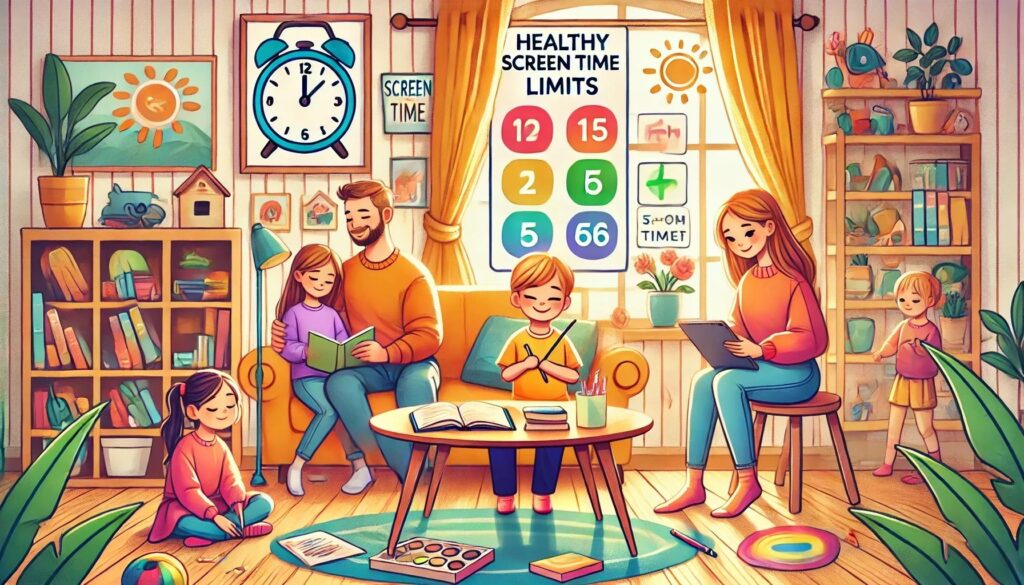
Instead, they can enjoy a variety of activities, build social skills, and develop healthier habits. By integrating simple strategies and the right tools, you can make screen management a positive experience rather than a constant struggle.
As technology evolves, so do the resources available to help parents guide their children toward responsible tech use. From digital well-being apps to crafting a family media plan, it’s now easier than ever to monitor, adjust, and maintain healthier boundaries. Let’s explore seven effective ways to achieve this balance and keep everyone happier at home.
1) Start with a Family Media Plan
A family media plan helps establish clear expectations for everyone in the household. Consider:
- Setting daily or weekly screen time goals
- Listing approved activities (e.g., educational games, virtual schoolwork) versus entertainment-only apps
- Defining no-screen zones, such as the dinner table or bedrooms
- Creating “digital curfews” to limit usage before bedtime
By involving your children in this planning stage, they understand why these rules exist and feel more inclined to follow them. A solid family media plan also makes it easier for everyone to stay on track and maintain healthy screen time limits.
2) Use Screen Time Management Tools
Specialized screen time management tools give parents the power to regulate device usage with minimal daily effort. These tools:
- Automatically limit screen time after set durations
- Block or allow certain apps
- Provide activity reports to help identify problematic usage patterns
For example, Google’s Family Link app allows parents to set time limits, lock devices, and monitor app usage, ensuring children stay within healthy boundaries.

3) Implement a Screen Time Tracker
A screen time tracker helps make the invisible visible. By logging each minute spent online, kids gain a clear understanding of their digital habits. Some benefits include:
- Encouraging self-reflection and responsibility
- Enabling parents to spot spikes in usage after certain activities (like gaming marathons)
- Helping families decide when to increase or decrease limits based on real data
Once children see how their digital minutes add up, they’re more likely to understand the need for healthy screen time limits. This awareness can motivate them to make balanced choices, both online and offline.
Have you read – Is AI too much?
4) Introduce Digital Well-Being Apps
Digital well-being apps go beyond simple timers. They offer features like mindfulness prompts, reward systems for staying within limits, and suggestions for offline activities. When considering such apps, look for those that:
- Provide gentle reminders when time is almost up
- Gamify the process by rewarding children who stick to their limits
- Offer insights into the types of content your child consumes
These tools add an element of fun to healthy screen time management. Children often respond positively to gamified challenges, making digital well-being apps a valuable asset in your parenting toolkit.
5) Model Healthy Tech Habits
Children are keen observers, and your example sets the tone. Keep these tips in mind:
- Limit your own screen time, especially during family activities
- Avoid constantly checking your phone in front of your kids
- Show enthusiasm for offline hobbies, reading, or outdoor play
By demonstrating that you also adhere to healthy screen time limits, you reinforce the message that these rules are beneficial, not punitive. Consistency between your words and actions fosters trust and respect, making children more willing to follow guidelines.
6) Encourage Alternative Activities
The easiest way to reduce screen time is to offer appealing alternatives. Consider:
- Family board game nights to promote bonding and social skills
- Art projects, music, or dance sessions to spark creativity
- Sports, nature walks, or bike rides for physical exercise
By filling your children’s schedules with engaging activities, screens naturally become a smaller part of their lives. When they see the value in a balanced lifestyle, it’s easier for them to accept healthy screen time limits as a positive choice.
7) Regularly Review and Adjust
Screen time policies aren’t static; they should evolve as your children grow and their needs change. Periodically:
- Assess whether current limits are too strict or too lenient
- Discuss what’s working and what could be improved
- Consider adjusting limits during vacation periods or when school demands shift
Staying flexible encourages open communication. By involving your kids in these discussions, you help them feel invested in the process and more willing to collaborate. This ongoing adjustment keeps your approach relevant and effective over the long term.
Extra Tips for Managing Healthy Screen Time Limits
- Create Device-Free Zones: Certain areas of the home, such as the dining room or bedrooms, can remain screen-free, promoting better sleep and more focused family interactions.
- Celebrate Successes: If your child successfully sticks to their screen time goals for a week, acknowledge their effort. Positive reinforcement helps them see healthy limits as an achievement.
- Stay Informed: Technology and best practices evolve rapidly. Keep up with the latest research or parenting tips from sources you trust. For instance, check out how parenting tech tools can simplify your routines in this article on smart baby monitors.
Bringing It All Together
Achieving healthy screen time limits isn’t about punishing children or cutting them off from the digital world; it’s about guiding them toward a balanced relationship with technology. By establishing a family media plan, using screen time management tools, and encouraging offline activities, you create an environment where screens aren’t the center of attention.
As you incorporate digital well-being apps, trackers, and flexible guidelines, your children learn that technology can be both beneficial and enjoyable—just not all-consuming. Over time, these strategies foster independence, better decision-making, and a happier, healthier family dynamic. By taking proactive steps now, you’re setting the stage for confident, balanced tech use that will serve your children well in the years to come.




2 Responses