Futuretechpulse

Energy Efficiency at Home: Simple Steps to Save Energy and Money

Energy efficiency at home is more than a trend—it’s a smart way to save money while contributing to a healthier planet.

In this article
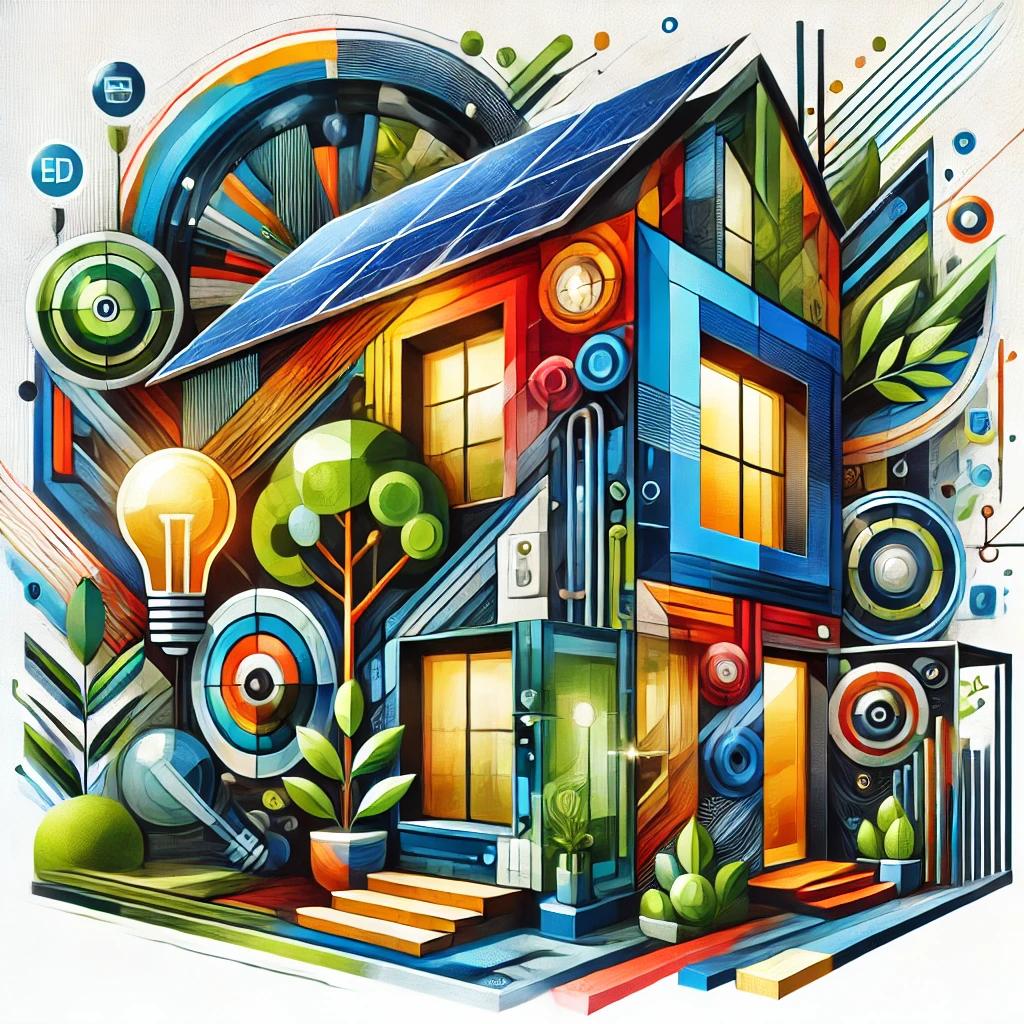
Energy efficiency at home

By adopting a few key practices and making minor adjustments, you can significantly reduce energy consumption. Here’s a detailed guide to help you optimize your home for energy efficiency.

1. Switch to Energy-Efficient Appliances

Upgrading to energy-efficient appliances is one of the easiest ways to save energy at home. These appliances are designed to use less electricity and water while maintaining high performance. For example:

  • Energy-efficient washers: Use less water and electricity.
  • Refrigerators: Consume significantly less power with modern insulation and compressors.
  • Dishwashers: Use smarter cycles to minimize waste.


To learn more, check out this guide on saving money with energy-efficient washers.

2. Seal and Insulate Your Home

Proper insulation and sealing leaks are crucial for energy efficiency. Without them, you’re paying for heat and air conditioning that escapes. Key tips:

  • Seal gaps around windows, doors, and ducts with caulk or weatherstripping.
  • Add insulation to your attic and walls to create an effective temperature barrier.
  • Use heavy curtains or thermal blinds for extra insulation during extreme weather.


These steps can reduce your heating and cooling costs by up to 30%.

Energy efficiency at home

3. Use Smart Thermostats

Smart thermostats optimize energy usage by learning your daily schedule. Key benefits include:

  • Automatically adjusting heating and cooling when you’re away or asleep.
  • Saving up to 10% annually on energy costs.
  • Remote control via apps, letting you make changes from anywhere.


Consider models with energy-saving tips and real-time usage reports for added insights.

4. Optimize Lighting Choices

Lighting is an easy area to improve for energy savings:

  • Switch to LED bulbs: They use up to 75% less energy and last much longer.
  • Maximize natural light: Keep curtains open during the day and use light-reflective paint to brighten spaces.
  • Install motion sensors: Avoid leaving lights on in unused rooms.


These adjustments can lower lighting costs while improving ambiance.

5. Unplug Idle Electronics

Electronics continue to consume energy even when turned off. This phantom energy can account for up to 10% of your bill. Solutions include:

  • Unplugging chargers, gaming consoles, and televisions when not in use.
  • Using power strips to easily turn off multiple devices.
  • Investing in smart plugs to schedule device usage and avoid waste.

6. Reduce Water Heating Costs

Water heating is a major energy expense in most homes. To reduce costs:

  • Set your water heater thermostat to 120°F to prevent overheating.
  • Insulate your water heater and pipes to retain heat longer.
  • Switch to a tankless water heater that heats water on demand.


These measures ensure efficient energy use without sacrificing comfort.

7. Incorporate Renewable Energy

Adding renewable energy to your home can make a significant difference in reducing your dependence on traditional power grids. Options include:

  • Solar panels: Generate your own electricity for long-term savings.
  • Solar-powered outdoor lights: Affordable and easy to install.
  • Small appliances: Use solar chargers for phones or other gadgets.


Even small changes like using solar lights can help you reduce your carbon footprint.

8. Maintain HVAC Systems

Your HVAC system needs regular upkeep to function efficiently. Tips for optimal performance:

  • Replace air filters every 1-3 months to ensure good airflow.
  • Clean vents and ducts regularly to prevent blockages.
  • Schedule annual professional maintenance to check for leaks and inefficiencies.


Proper maintenance ensures your system consumes less energy and lasts longer.

Have you read – How to save money on a tight budget?

9. Use Energy-Efficient Windows

Windows are a common source of energy loss, but upgrading them can help:

  • Double or triple glazing: Reduces heat transfer and improves insulation.
  • Low-emissivity (low-E) coatings: Reflect heat while allowing natural light.
  • Weatherproofing: Seal edges to minimize air leaks.


These upgrades can make your home more comfortable while significantly reducing heating and cooling costs.

By following these steps, you can create an energy-efficient home that saves money and benefits the environment. Even small changes, like upgrading your appliances or sealing air leaks, can lead to substantial long-term savings. Start today and enjoy a more sustainable, cost-effective lifestyle!

Frequently Asked Questions

What is artificial intelligence in simple terms?
AI is the simulation of human intelligence by machines, allowing them to perform tasks like learning, decision-making, and problem-solving.

What are examples of AI in everyday life?
Examples include smart assistants (like Alexa), personalized recommendations on Netflix, and AI-powered chatbots.

Is AI difficult for beginners to learn?
Not at all! Beginners can start with simple courses and tools to grasp the basics of AI.

How does AI impact jobs?
While AI automates repetitive tasks, it also creates opportunities in fields like AI development, data analysis, and robotics.