
Learn with AI: Revolutionizing the Way We Acquire Knowledge
Artificial intelligence (AI) is transforming education, offering tools that make it easier than ever to learn with AI.
In this article
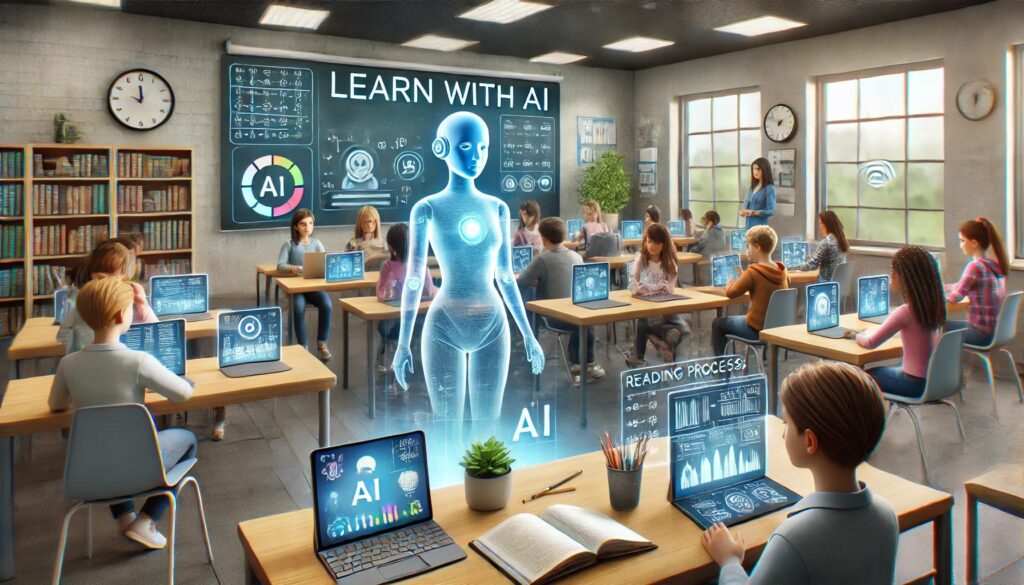
From personalized tutoring to real-time feedback, AI is redefining how knowledge is acquired, retained, and applied. Whether you’re a student striving to excel academically or a professional seeking to upskill, the opportunities to learn with AI are vast and growing. Let’s explore its transformative applications, benefits, and challenges, and discover how you can embrace AI to enhance your learning journey.
What Does It Mean to Learn with AI?
Learning with AI refers to using artificial intelligence technologies to enhance, personalize, and optimize the educational experience. AI tools analyze data, adapt to individual learning needs, and provide insights that make education more effective. Whether you’re mastering a new skill, solving complex problems, or advancing your career, the ability to learn with AI empowers you to achieve your goals faster and more effectively.
How AI is Changing the Way We Learn
1. Personalized Learning for Every Individual
- What It Is: AI systems adapt content delivery based on individual learning styles, pace, and preferences.
- How It Works: Tools like Duolingo for languages or Khan Academy’s adaptive assessments use AI algorithms to analyze your strengths and weaknesses. This allows lessons to be tailored, ensuring you master concepts before moving on.
- Example: Imagine studying math where the AI platform detects you’re struggling with fractions. It automatically suggests extra practice problems and interactive videos to help solidify your understanding.
Personalized learning ensures no one is left behind, making education more inclusive and accessible for all learners. Read more about how similar systems are used in virtual reality education, where immersive technologies bring lessons to life.
2. AI-Powered Tutoring
- What It Does: AI-powered tutors are available anytime to provide instant answers and explanations.
- Examples in Use:
- ChatGPT: Offers answers to complex questions in natural language.
- Socratic by Google: Uses AI to help students solve homework problems by providing step-by-step solutions.
- Impact: These tools act as personal assistants, reducing dependency on traditional tutors and making learning support available 24/7.
AI tutors don’t just provide answers—they explain concepts, fostering a deeper understanding. This democratization of education empowers students who might not have access to human tutors.
3. Real-Time Feedback and Assessment
- How It Works: AI systems monitor progress in real-time and offer instant feedback to guide learners.
- Examples:
- Grammarly: Provides immediate feedback on writing, helping users improve grammar, tone, and clarity.
- AI in Coding: Platforms like LeetCode and HackerRank assess coding exercises and offer suggestions for optimization.
- Benefits: Immediate feedback ensures learners correct mistakes as they happen, reinforcing good habits and improving retention.
Real-time feedback is a game-changer in language learning, programming, and even creative fields like art and music.
4. AI in Collaborative Learning
- What It Enables: AI fosters collaboration by connecting learners worldwide through intelligent platforms.
- Examples:
- AI-powered discussion boards suggest relevant questions and topics.
- Group projects are enhanced by tools like Miro, which use AI to streamline brainstorming and task management.
- Why It Matters: Collaborative learning prepares students for real-world teamwork by promoting critical thinking and communication skills.
This concept mirrors innovations like virtual classrooms and blended learning, where AI works alongside tools such as VR to simulate real-life scenarios for students.
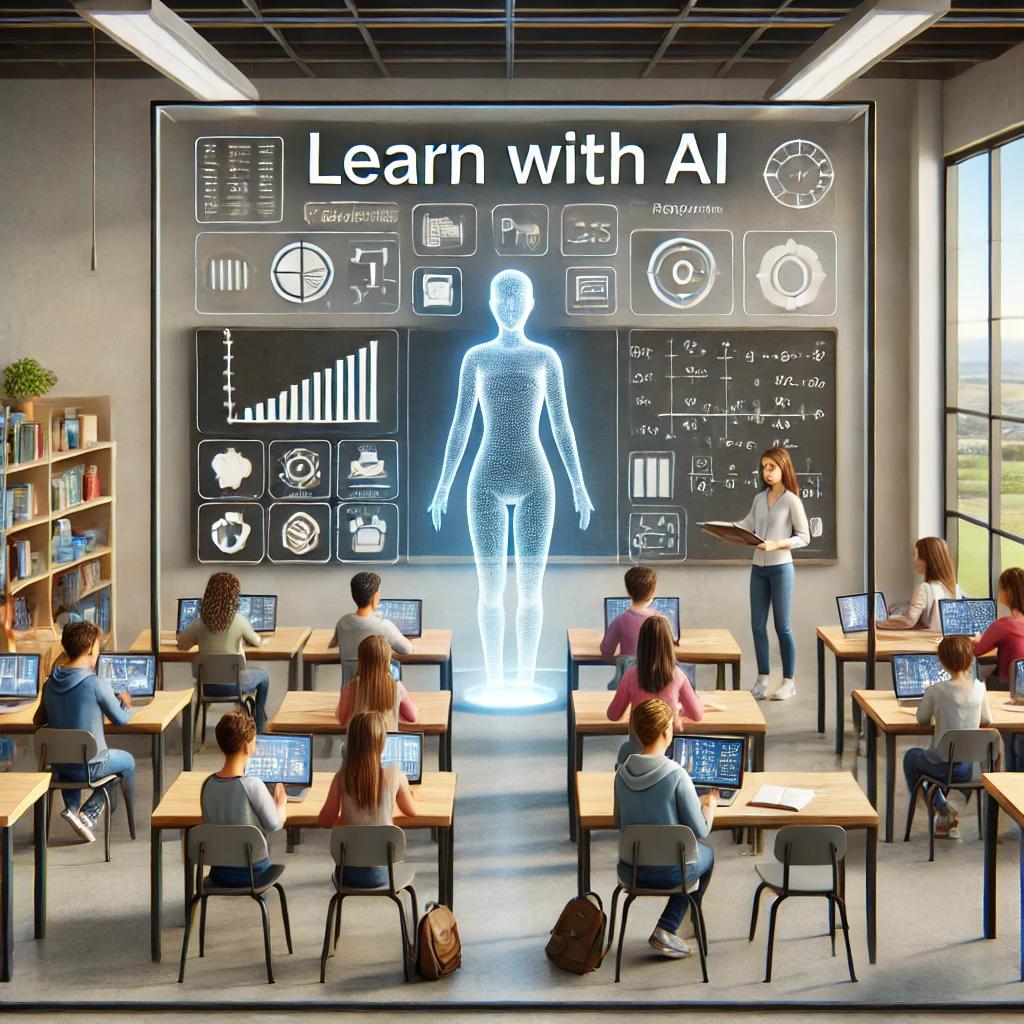
Applications of AI Beyond the Classroom
Learning with AI is not limited to formal education; its applications span various fields:
- Career Development: Platforms like LinkedIn Learning use AI to recommend courses that align with your career goals.
- Personal Growth: Meditation apps like Headspace use AI to guide personalized mindfulness sessions.
- Skill Development: Websites like Coursera and Udemy suggest courses based on past learning history, making lifelong learning accessible to all.
Challenges of Learning with AI
While AI offers immense potential, it’s not without its challenges:
1. Data Privacy Concerns
AI tools often require access to personal data to function effectively. However, this raises concerns about data misuse and privacy breaches.
- Solution: Companies need to adopt stringent data protection measures and comply with regulations like GDPR.
2. Accessibility Issues
Not all students have access to the devices and connectivity required for AI-powered tools.
- Solution: Governments and organizations must invest in affordable technology and internet access to bridge the digital divide.
3. Over-Reliance on AI
Relying too much on AI could undermine critical thinking and problem-solving skills.
- Solution: Combine AI tools with traditional learning methods to ensure a well-rounded education.
Benefits of Learning with AI
- Improved Efficiency: AI tools save time by automating repetitive tasks like grading and generating practice exercises.
- Cost-Effective Learning: Many AI tools, such as free apps and online platforms, provide high-quality education at little to no cost.
- Global Accessibility: AI enables students in remote areas to access resources that were previously unavailable.
- Enhanced Motivation: Gamification and interactive features keep learners engaged and motivated.
How to Start Learning with AI Today
- Explore AI Tools: Platforms like Duolingo, Grammarly, and Coursera offer accessible ways to integrate AI into your learning journey.
- Stay Updated: Follow blogs like Future Tech Pulse for insights into how technologies like AI and virtual reality are shaping the future.
- Combine Methods: Use AI tools alongside traditional methods like books and workshops for a more comprehensive learning experience.
Conclusion
The journey to learn with AI is transformative, offering personalized, efficient, and accessible opportunities to learners worldwide. Whether through AI-powered tutors, real-time feedback, or immersive virtual platforms, AI is changing how we acquire knowledge. However, as we embrace these advancements, it’s crucial to address challenges like privacy concerns and ensure inclusivity for all.
By leveraging the power of AI responsibly, we can make learning not only smarter but also more meaningful and impactful for everyone. Let AI be your partner in growth as you navigate the ever-evolving world of knowledge and innovation.
Frequently Asked Questions
What is artificial intelligence in simple terms?
AI is the simulation of human intelligence by machines, allowing them to perform tasks like learning, decision-making, and problem-solving.
What are examples of AI in everyday life?
Examples include smart assistants (like Alexa), personalized recommendations on Netflix, and AI-powered chatbots.
Is AI difficult for beginners to learn?
Not at all! Beginners can start with simple courses and tools to grasp the basics of AI.
How does AI impact jobs?
While AI automates repetitive tasks, it also creates opportunities in fields like AI development, data analysis, and robotics.