
The Future of Education: Top Trends Shaping Learning
The education landscape is undergoing a significant transformation. Driven by technology and the evolving demands of a globalized world, the future of education is being reimagined to prioritize accessibility, personalization, and innovation.
In this article
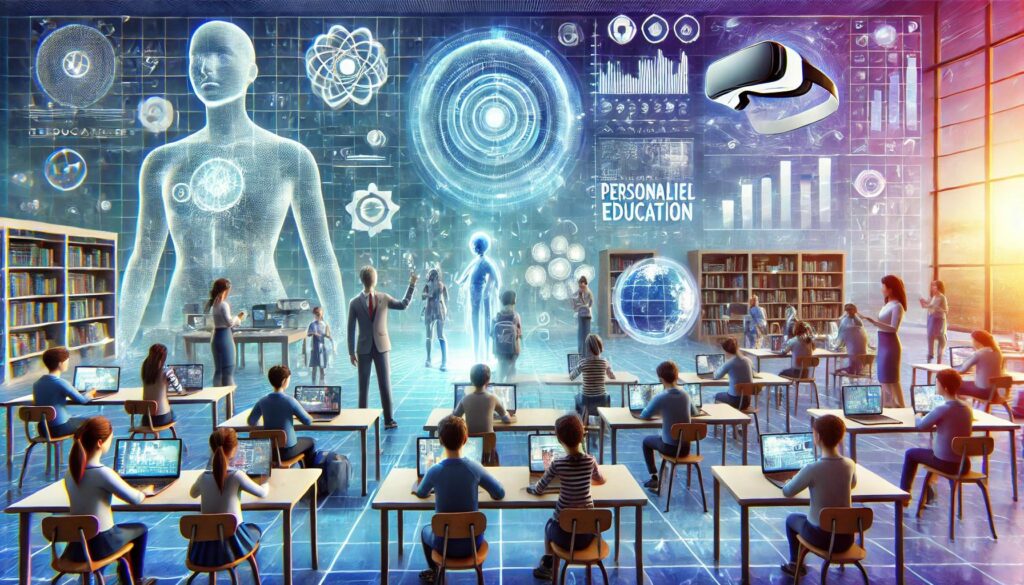
As we move into 2025, this article explores how advancements in artificial intelligence (AI), virtual reality (VR), and other technologies are shaping modern education systems.
What Is the Future of Education?
The future of education focuses on merging cutting-edge technologies with traditional learning methods to create dynamic, interactive, and inclusive learning environments. Central to this evolution are personalized learning tools, virtual learning platforms, and a strong emphasis on digital literacy. These innovations aim to prepare students for a rapidly changing workforce and equip them with essential problem-solving and critical thinking skills.
Top Technology Trends Revolutionizing Education
1. Personalized Learning for Every Student
- Definition: Tailoring education to match individual learning speeds, strengths, and challenges.
- How It Works: AI in education is at the forefront of personalized learning. These tools analyze student progress and adapt lessons to address specific needs.
- Example: Tools like DreamBox or ScribeSense use AI to monitor learning gaps and provide real-time feedback.
Why It Matters: Personalized learning ensures that every student, from struggling learners to high achievers, receives the attention they need to excel.
2. Virtual Learning Platforms Taking Center Stage
- Rise of Online Education: Platforms like Coursera, edX, and Khan Academy have made it possible for students worldwide to access top-quality courses.
- Blended Learning Models: Traditional classrooms are increasingly integrating virtual learning platforms to offer hybrid education experiences.
- Future Impact: In 2024, virtual learning platforms will become more immersive with VR simulations allowing students to visit historical landmarks or conduct science experiments from their homes.
Example: Google Expeditions is already leading the way, allowing students to “travel” the world without leaving their desks.
3. AI in Education: A Game-Changer
- Applications of AI:
- Adaptive learning systems that adjust content delivery to individual student needs.
- AI-powered chatbots as virtual tutors, available 24/7 to answer questions.
- Automation of administrative tasks like grading, freeing up teacher time.
Impact: By 2024, AI in education will further enhance student engagement and learning outcomes.
Example: Carnegie Learning’s AI-based solutions are already being used in schools to personalize instruction and streamline assessments.
4. Gamification in Classrooms
- Definition: The use of game mechanics, such as points, badges, and leaderboards, to make learning more interactive and enjoyable.
- Benefits: Gamification boosts student motivation and knowledge retention by making the learning process engaging.
- Examples:
- Duolingo for language learning.
- Minecraft: Education Edition for teaching creativity and problem-solving.
Why It Matters: Gamification appeals to students across all age groups, making education less intimidating and more fun.
5. Emerging Education Technologies: AR and VR
- Augmented Reality (AR): Tools like AR apps overlay digital information onto the physical world, creating interactive learning experiences.
- Virtual Reality (VR): Fully immersive environments transport students to places they could never visit in real life, such as ancient Rome or the surface of Mars.
- Future Impact: As AR and VR technologies become more affordable, they will revolutionize classrooms by making abstract concepts tangible.
Example: A student learning about the solar system could explore planets in a virtual space rather than relying solely on textbook diagrams.
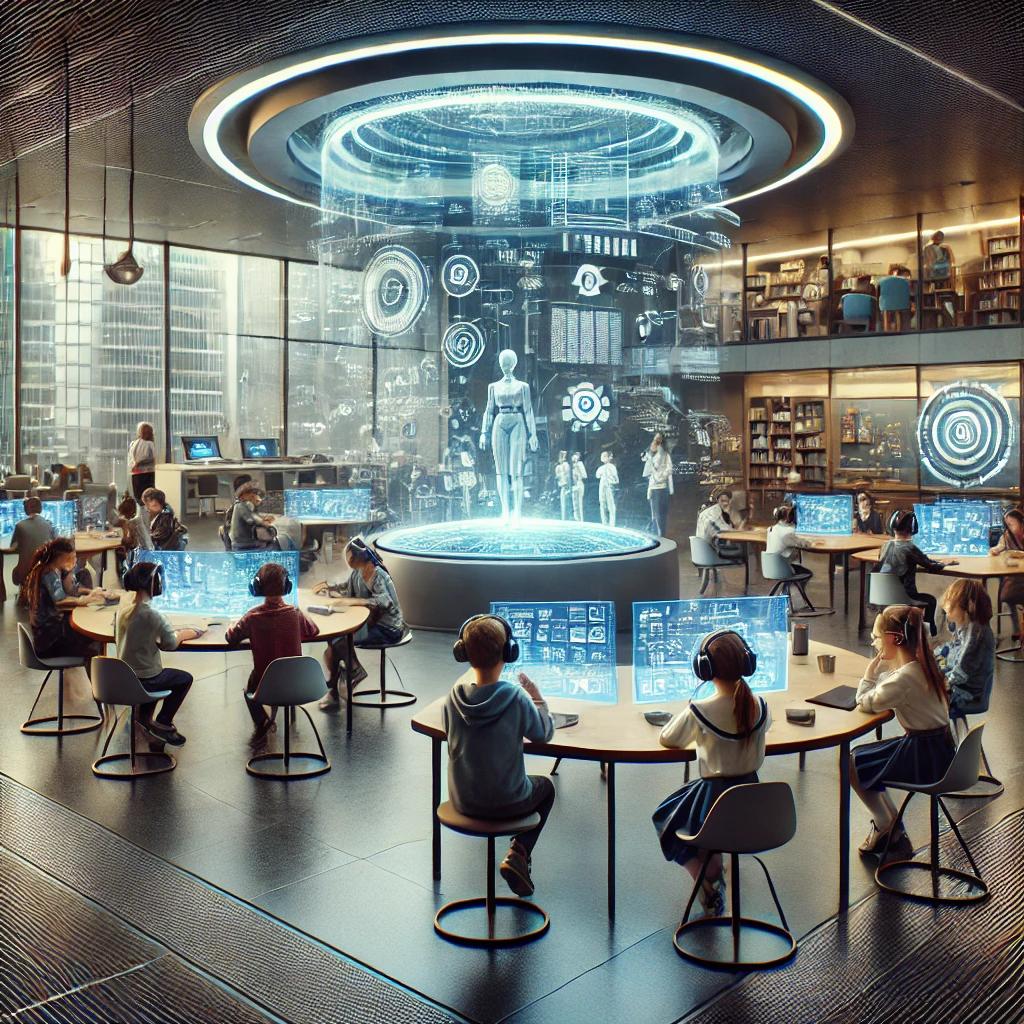
Benefits of the Future of Education Technologies
- Increased Accessibility: Students in remote areas gain access to global resources through virtual learning platforms.
- Improved Engagement: Technologies like gamification and VR create interactive, memorable learning experiences.
- Enhanced Outcomes: AI-powered personalized learning boosts comprehension and retention rates.
- Global Collaboration: Online platforms foster collaboration between students and educators from different cultures, preparing them for a globalized workforce.
Have you read – Virtual Reality in Education?
Challenges in Embracing the Future of Education
1. Bridging the Digital Divide
- Issue: Many students still lack access to devices or reliable internet.
- Solution: Governments and NGOs must prioritize investments in technology infrastructure to ensure equal opportunities.
2. Teacher Training for New Technologies
- Issue: Not all educators are equipped to use emerging education technologies effectively.
- Solution: Ongoing professional development programs will help teachers integrate AI, VR, and other tools into their teaching methods.
3. Privacy Concerns
- Issue: Increased data collection raises questions about student privacy.
- Solution: Stronger regulations and secure platforms will ensure student data is protected.
The Role of Educators in the Future of Education
As technology takes center stage, the role of teachers will evolve:
- Facilitators of Knowledge: Teachers will guide students in applying critical thinking and collaboration skills.
- Tech Mentors: Educators must stay updated on emerging technologies to integrate them effectively.
- Emotional Support: Despite advancements in AI, the human touch remains irreplaceable for fostering emotional intelligence and creativity.
Conclusion
The future of education in 2025 and beyond is driven by a seamless blend of technology and traditional values. With innovations like personalized learning, virtual learning platforms, and AI in education, the opportunities to create more engaging and inclusive learning environments are endless. However, overcoming challenges like the digital divide and teacher readiness will require collaborative efforts from policymakers, educators, and tech innovators.
By embracing emerging education technologies and prioritizing student needs, the future of education can empower learners globally to thrive in a fast-paced, ever-evolving world.
The Future of Artificial Intelligence
AI is poised to shape the future in remarkable ways. From solving global challenges like climate change to enabling smarter cities, its potential is limitless. However, it also demands careful governance to balance innovation with ethical responsibility.
Frequently Asked Questions
What is artificial intelligence in simple terms?
AI is the simulation of human intelligence by machines, allowing them to perform tasks like learning, decision-making, and problem-solving.
What are examples of AI in everyday life?
Examples include smart assistants (like Alexa), personalized recommendations on Netflix, and AI-powered chatbots.
Is AI difficult for beginners to learn?
Not at all! Beginners can start with simple courses and tools to grasp the basics of AI.
How does AI impact jobs?
While AI automates repetitive tasks, it also creates opportunities in fields like AI development, data analysis, and robotics.
Frequently Asked Questions
What is artificial intelligence in simple terms?
AI is the simulation of human intelligence by machines, allowing them to perform tasks like learning, decision-making, and problem-solving.
What are examples of AI in everyday life?
Examples include smart assistants (like Alexa), personalized recommendations on Netflix, and AI-powered chatbots.
Is AI difficult for beginners to learn?
Not at all! Beginners can start with simple courses and tools to grasp the basics of AI.
How does AI impact jobs?
While AI automates repetitive tasks, it also creates opportunities in fields like AI development, data analysis, and robotics.
Frequently Asked Questions
What is artificial intelligence in simple terms?
AI is the simulation of human intelligence by machines, allowing them to perform tasks like learning, decision-making, and problem-solving.
What are examples of AI in everyday life?
Examples include smart assistants (like Alexa), personalized recommendations on Netflix, and AI-powered chatbots.
Is AI difficult for beginners to learn?
Not at all! Beginners can start with simple courses and tools to grasp the basics of AI.
How does AI impact jobs?
While AI automates repetitive tasks, it also creates opportunities in fields like AI development, data analysis, and robotics.
Frequently Asked Questions
What is artificial intelligence in simple terms?
AI is the simulation of human intelligence by machines, allowing them to perform tasks like learning, decision-making, and problem-solving.
What are examples of AI in everyday life?
Examples include smart assistants (like Alexa), personalized recommendations on Netflix, and AI-powered chatbots.
Is AI difficult for beginners to learn?
Not at all! Beginners can start with simple courses and tools to grasp the basics of AI.
How does AI impact jobs?
While AI automates repetitive tasks, it also creates opportunities in fields like AI development, data analysis, and robotics.