
Top 7 Free Learning Apps for Kids to Boost Academic Success in 2024
The digital age has transformed how children learn, and free learning apps for kids are at the forefront of this revolution. These apps combine education with entertainment, making learning fun while boosting academic performance.
In this article
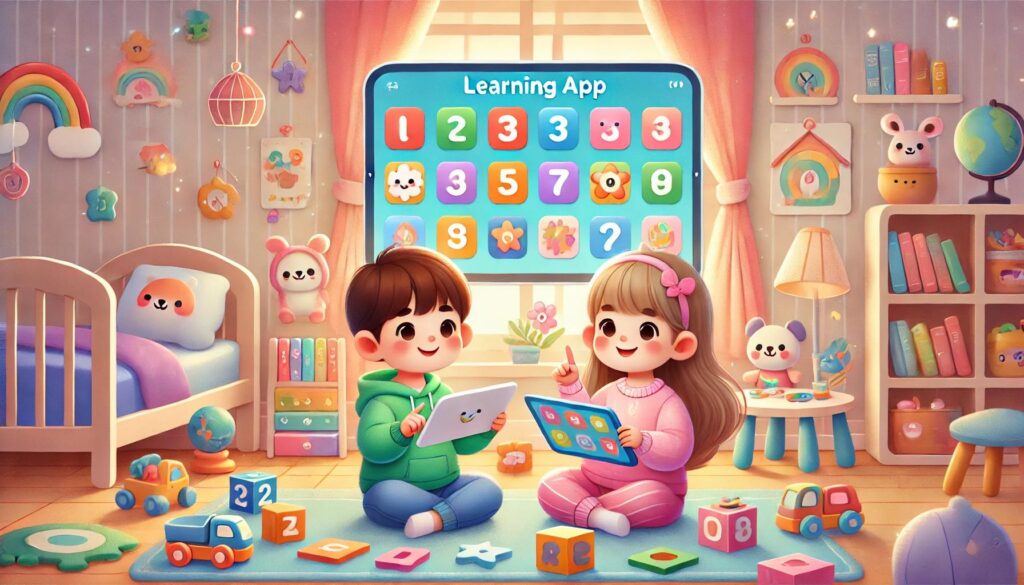
Parents, educators, and children alike benefit from the accessibility, interactivity, and tailored approach of these tools. From mastering math to learning to code, the best apps ensure children build essential skills while enjoying the process.
In this comprehensive guide, we’ll dive into the top 7 free learning apps for kids, focusing on how each app fosters growth, encourages curiosity, and ensures academic success.
Why Free Learning Apps Are Essential
Modern-day education demands flexibility, creativity, and personalization—something free learning apps deliver in abundance. Here’s why they are indispensable:
- Accessibility for All: Free apps level the playing field, offering quality resources regardless of income.
- Engaging Content: Gamified lessons and interactive challenges capture children’s attention.
- Personalized Learning: Many apps adapt to a child’s pace and style, ensuring better retention.
- Convenience: Learning on-the-go allows children to use downtime productively.
These apps empower parents and educators to provide children with supplemental learning experiences beyond traditional classrooms.
1. Khan Academy Kids
Khan Academy Kids offers an engaging blend of math, reading, and social-emotional learning activities. This app focuses on building foundational skills while keeping lessons playful and interactive.
Key Features:
- Fun characters guide children through personalized activities.
- Lessons cover literacy, math, problem-solving, and creative expression.
- Completely ad-free with no hidden costs.
Why It’s Effective:
Khan Academy Kids stands out because it encourages critical thinking alongside academic skills. Progress tracking ensures parents can monitor their child’s achievements easily.
2. Duolingo ABC
Best for: Early literacy
Duolingo ABC is a perfect choice for young learners developing reading and writing skills. This app simplifies literacy education with short, gamified lessons that kids love.
Key Features:
- Phonics-focused exercises for beginners.
- Interactive games that teach letter tracing, spelling, and word recognition.
- Kid-friendly interface with rewards for completed lessons.
Parental Perk: Parents can track progress to ensure their child meets reading milestones.
3. Photomath
Best for: Math problem-solving
For older kids struggling with numbers, Photomath is a lifesaver. This app lets students scan math problems and provides step-by-step explanations, ensuring they grasp the concepts behind each solution.
Key Features:
- Covers a wide range of math topics, from arithmetic to calculus.
- Offers detailed problem breakdowns with interactive explanations.
- Offline functionality makes it accessible anywhere.
Why It’s a Game-Changer:
Photomath doesn’t just give answers—it teaches students to solve problems independently, boosting confidence in their math skills.
4. ScratchJr
Best for: Introducing kids to coding
ScratchJr empowers children aged 5–7 to create their own animations, games, and interactive stories. Coding is presented as a playful, creative activity rather than a technical chore.
Key Features:
- Drag-and-drop coding blocks for simple programming.
- Encourages storytelling, problem-solving, and logical thinking.
- No reading required—perfect for young learners.
Why It Matters:
With the increasing importance of STEM skills, ScratchJr introduces coding in an accessible, enjoyable way.
6. National Geographic Kids
Best for: Science and exploration
For kids who are naturally curious, National Geographic Kids offers a world of fascinating facts, quizzes, and videos about nature, space, and history.
Key Features:
- Interactive quizzes and challenges foster curiosity.
- Stunning visuals and captivating content engage young minds.
- Content focuses on exploration, conservation, and critical thinking.
Why Parents Approve:
It inspires a love for learning about the world, helping children develop a sense of responsibility toward the environment.
7. Starfall
Best for: Early learners
Starfall has been a trusted name in early education for years, offering interactive lessons in phonics, reading, and math. It’s especially popular among preschool and kindergarten-age children.
Key Features:
- Songs, animations, and games keep learning light and engaging.
- Covers phonics, counting, addition, subtraction, and more.
- Aligned with Common Core Standards for education.
Why Educators Recommend It:
Starfall builds foundational skills while supporting both classroom and at-home learning.
Benefits for Parents and Teachers
Free learning apps don’t just help kids; they also empower parents and teachers:
- Progress Tracking: Many apps offer dashboards that show children’s achievements and areas for improvement.
- Safe, Ad-Free Options: Parents can rest assured their kids are learning in a secure digital environment.
- Complementing School Curriculums: Apps provide additional practice to reinforce lessons taught in class.
How to Choose the Right App for Your Child
Here are some tips for selecting the best app for your child:
- Consider Their Interests: Is your child drawn to math, reading, or creative activities? Pick an app that aligns with their natural curiosity.
- Evaluate Ease of Use: Apps like Khan Academy Kids and PBS Kids Games are ideal for younger children due to their intuitive interfaces.
- Read Reviews: Check feedback from other parents and educators.
- Test Free Versions First: Explore free features before considering any premium upgrades.
If you’re interested in how technology enhances learning at home, read our article on “Accelerate your Education“.
Conclusion
The best free learning apps for kids combine education with fun, helping children build confidence, master new skills, and stay engaged. Whether your child loves solving math puzzles, exploring the natural world, or learning to code, these apps offer something for everyone.
By incorporating these tools into daily routines, parents and teachers can create enriching experiences that go beyond traditional classroom settings. Start exploring these apps today, and watch your child thrive academically and creatively!