
Common Mistakes in Saving and How to Avoid Them
Saving money can be challenging, especially when habits and external factors work against your financial goals. Here are some of the Common Mistakes in Saving and How to Avoid Them.
In this article
1. Not Having Clear Goals
Mistake: Saving without a specific purpose often leads to inconsistent efforts and a lack of motivation.
Solution: Define SMART goals (Specific, Measurable, Achievable, Relevant, Time-bound). For example, instead of “saving for a vacation,” aim for “saving $2,000 for a trip by next summer.” Tools like Goalsetter can help you track progress visually.
2. Neglecting a Budget
Mistake: Without a budget, it’s difficult to understand where your money is going or to allocate funds for savings effectively.
Solution: Create a realistic budget that accounts for your income, fixed expenses, and discretionary spending. Use apps like YNAB or Mint to monitor your cash flow and ensure savings are built into your plan.
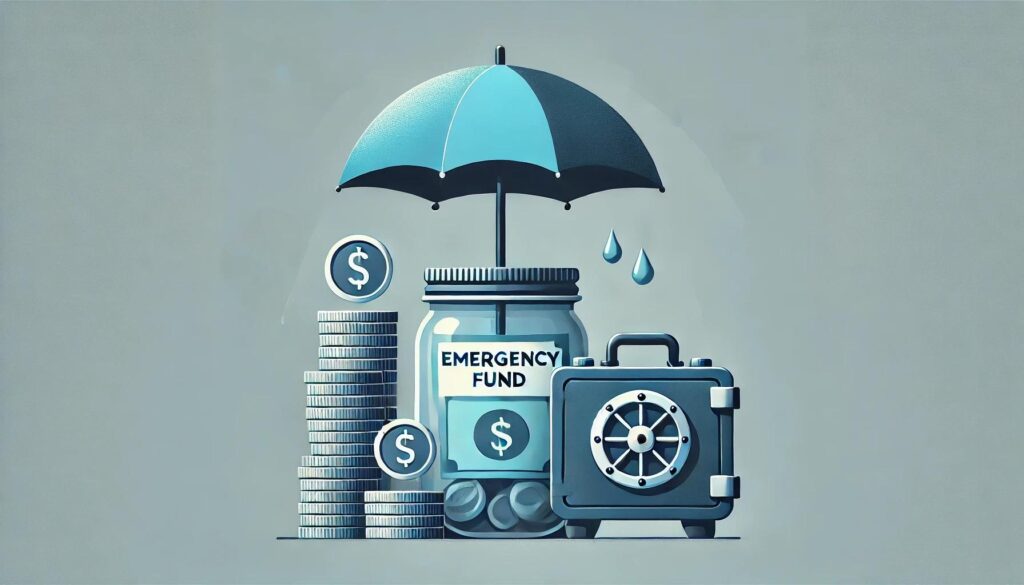
3. Overlooking Emergency Funds
Mistake: Focusing solely on long-term savings while neglecting a rainy-day fund can lead to financial instability during emergencies.
Solution: Prioritize building an emergency fund with 3–6 months of living expenses. Start small and automate contributions using apps like Digit, which adjusts savings amounts based on your financial behavior.
4. Not Automating Savings
Mistake: Relying on manual transfers to savings accounts increases the risk of skipping contributions due to forgetfulness or temptation to spend.
Solution: Automate savings through direct deposits or tools like Acorns, which saves spare change automatically. Automation ensures consistent progress without requiring conscious effort.
5. Saving Too Much Too Soon
Mistake: Attempting to save a large percentage of your income too quickly can lead to burnout and result in abandoning your savings plan.
Solution: Start with a manageable amount, such as 10% of your income, and increase it gradually as you adjust your spending habits. Apps like Cleo can analyze your cash flow and recommend safe savings amounts.
6. Ignoring High-Interest Debt
Mistake: Saving money while carrying high-interest debt, like credit cards, often results in losing more money in interest than you earn in savings.
Solution: Focus on paying off high-interest debt first using the Avalanche Method or consult tools like Tally to manage debt repayment efficiently.
7. Keeping Savings in the Wrong Account
Mistake: Using a regular checking account for savings increases the likelihood of spending the funds and missing out on interest growth.
Solution: Use a high-yield savings account or a money market account to maximize interest earnings while keeping your savings separate from everyday spending.
8. Failing to Adjust for Inflation
Mistake: Leaving savings untouched in low-interest accounts doesn’t account for inflation, reducing your money’s purchasing power over time.
Solution: Diversify savings by investing a portion in low-risk options like ETFs or bonds. Apps like Acorns or Stash can help you get started with micro-investing.
9. Underestimating Small Expenses
Mistake: Overlooking minor, recurring costs like subscription services or daily coffee runs can drain your savings potential.
Solution: Audit your spending with apps like Truebill to identify and eliminate unnecessary expenses. Small changes can lead to significant savings over time.
10. Waiting Too Long to Start Saving
Mistake: Procrastination delays the compounding effect of savings, making it harder to reach financial goals later.
Solution: Start saving immediately, even if it’s a small amount. Apps like Qapital or Chime make it easy to begin saving with minimal effort.
11. Not Reviewing Progress Regularly
Mistake: Failing to check in on your savings goals can lead to stagnation and missed opportunities for improvement.
Solution: Schedule monthly or quarterly reviews to evaluate your progress and make adjustments. Tools like Personal Capital provide detailed insights into your financial health.
12. Saving Without Investing
Mistake: Keeping all your money in savings accounts rather than investing means you miss out on the potential for higher returns.
Solution: Allocate a portion of your savings to investments based on your risk tolerance. Start small with robo-advisors like Betterment or Wealthfront for low-maintenance investing.
Have you read – AI for my business?
How can AI reduce Common Mistakes in Saving and How to Avoid Them
AI-powered tools analyze your income, spending habits, and financial patterns to determine how much you can afford to save without compromising your lifestyle.
- Example: Apps like Digit automatically calculate and transfer small, safe-to-save amounts to your savings account, ensuring consistent progress without manual intervention.
Personalized Budgeting Insights
AI tools provide real-time analysis of your spending, identifying patterns and offering actionable insights to cut unnecessary expenses.
- Example: PocketGuard uses AI to show exactly how much money is “safe to spend” after accounting for bills, savings goals, and necessities, preventing overspending.
Gamification and Behavioral Nudges
AI apps make saving engaging by gamifying the process or offering behavioral nudges. This keeps users motivated and builds better financial habits.
- Example: Cleo provides challenges, reminders, and encouragement to stick to your savings plan, making the process fun and interactive.
The Future of AI in Personal Finance
As AI continues to evolve, we can expect even more sophisticated tools that:
- Predict financial trends to optimize saving strategies.
- Integrate seamlessly with all aspects of personal finance, from budgeting to investments.
- Offer hyper-personalized advice based on real-time data and life changes.
Key Takeaways
Common Mistakes in Saving and How to Avoid requires consistency, and the use of technology to streamline the saving process. Start by setting clear goals, automating your savings, and periodically reviewing your progress. With a strategic approach, you can maximize your savings potential and reach your financial objectives faster.




4 Responses